
The German Empire: When Unity Finally Happened (1871)
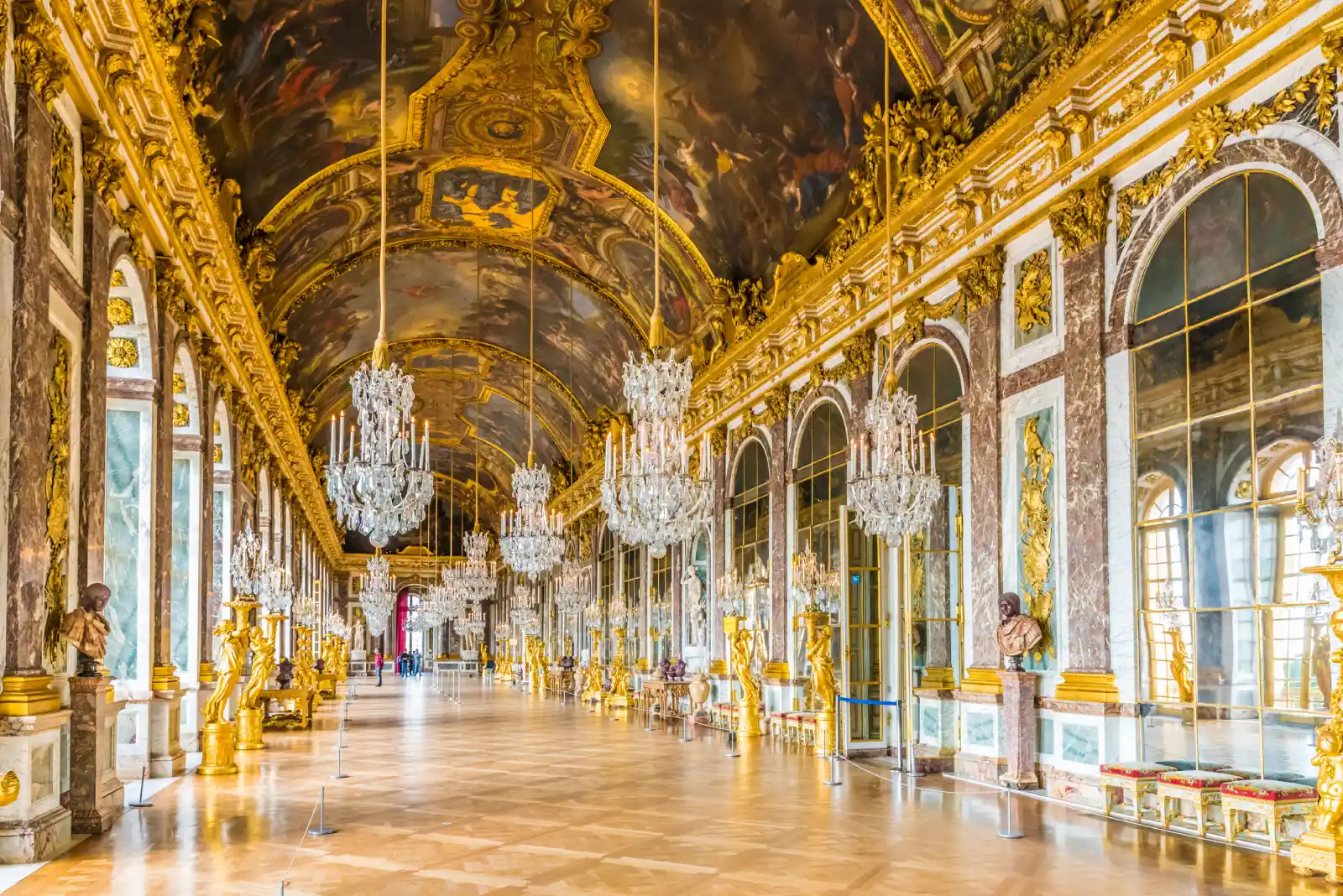
The Hall of Mirrors at Versailles, where the German Empire was proclaimed
Before 1871, "Germany" was just a geographic expression. The region consisted of 39 separate states, each with its own ruler, laws, and currency. Otto von Bismarck changed everything.
Through calculated wars against Denmark, Austria, and France, Bismarck unified these scattered territories under Prussian leadership. On January 18, 1871, King Wilhelm I of Prussia became Kaiser (Emperor) of the new German Empire. This wasn't just political theater. For the first time, Germans shared a common government, military, and economic system.
What This Meant
The unified Germany rapidly industrialized and became Europe's strongest economy within decades. This transformation laid the groundwork for modern German efficiency and engineering prowess. It also created tensions with neighboring powers that would explode into World War I.
The empire established structures that persist today. Germany's federal system, where individual states retain significant power, traces back to this period. Even modern German universities for international students operate under state rather than federal control, a legacy of this federal structure.
World War I and the Weimar Experiment (1914-1933)

War memorials across Germany remember the millions lost
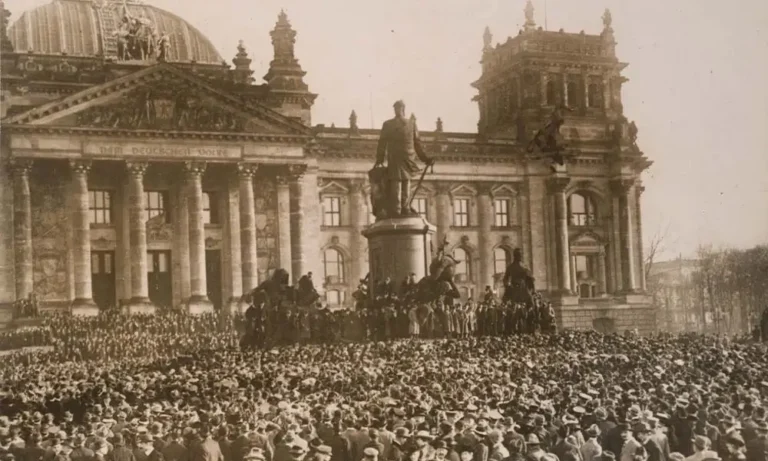
World War I shattered the German Empire. Over 2 million Germans died in trenches across Europe. When Germany surrendered in 1918, the Kaiser fled, and politicians proclaimed a republic. The Treaty of Versailles followed, forcing Germany to accept full blame for the war, pay crushing reparations, and surrender territory.
The Weimar Republic that emerged tried to build democracy on unstable ground. Hyperinflation destroyed savings. A loaf of bread that cost 250 marks in January 1923 cost 200 billion marks by November. People carried money in wheelbarrows. Political extremists from both left and right fought in the streets.
Yet this chaotic period also sparked incredible creativity. Berlin became Europe's cultural capital. Artists, writers, and scientists flourished. The Bauhaus movement revolutionized design. Einstein won his Nobel Prize. This contradiction between cultural brilliance and political instability defined the era.
The Golden Twenties
Between 1924 and 1929, Germany stabilized briefly. New currency ended hyperinflation. American loans fueled recovery. Cabaret culture thrived. Then the 1929 Wall Street crash ended it all, triggering mass unemployment and paving the way for extremism.
The Darkest Chapter: Nazi Germany and World War II (1933-1945)
In 1933, Adolf Hitler became Chancellor. Within months, democracy vanished. The Nazi regime transformed Germany into a totalitarian state built on racist ideology, aggressive nationalism, and absolute control.
This period represents humanity's darkest moments. The Holocaust systematically murdered six million Jews and millions of others including Roma, disabled people, political opponents, and LGBTQ individuals. Germany started World War II, which killed over 70 million people worldwide and left Europe in ruins.
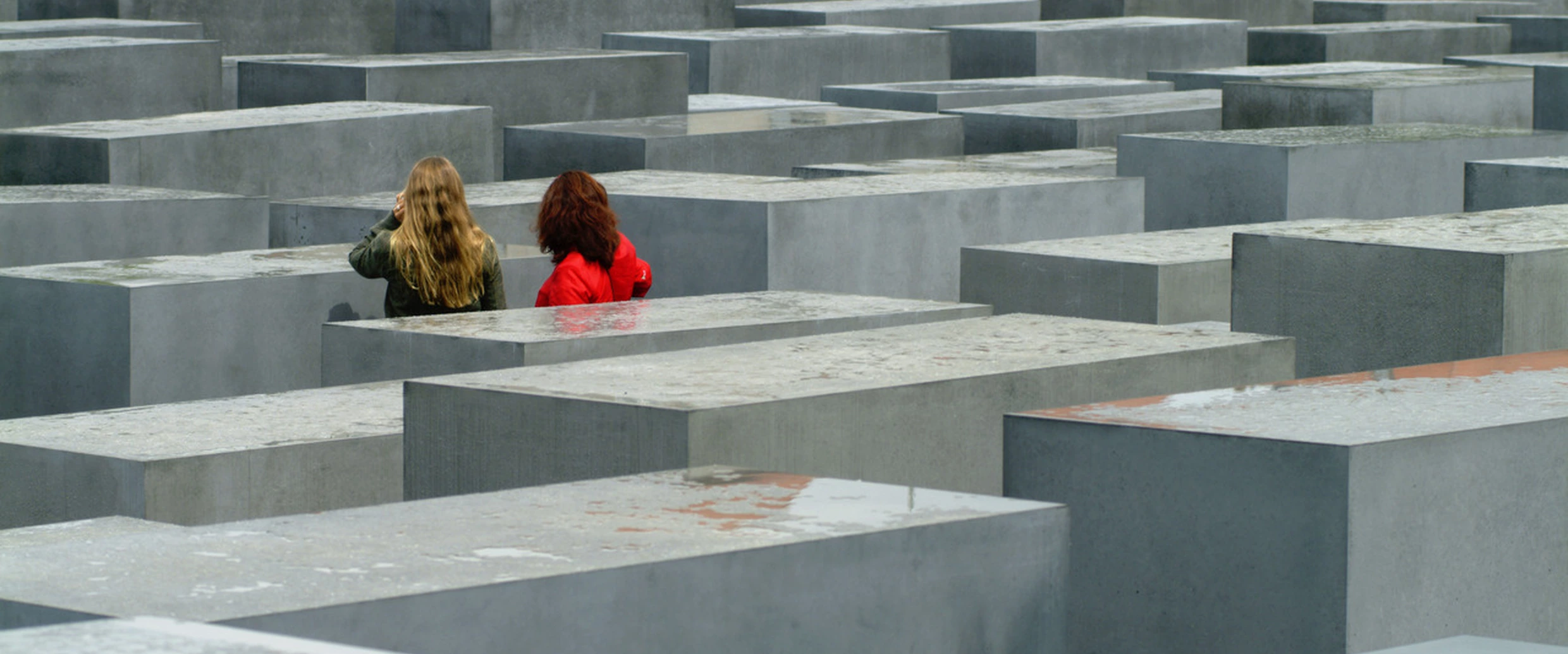
Berlin's Holocaust Memorial stands as a reminder of crimes that must never be forgotten
By 1945, Germany lay in complete devastation. Cities were rubble. The economy collapsed. Millions were dead or displaced. The country lost significant territory and faced occupation by Allied forces. This catastrophic defeat forced Germans to confront what had been done in their name.
Lasting Impact
Modern Germany's commitment to democracy, human rights, and remembrance stems directly from this period. The phrase "never again" shapes German education, politics, and foreign policy. Holocaust education is mandatory in schools. Memorials dot the landscape. Germany accepts responsibility for this history without qualification.
Why This Matters Today
Understanding this history explains why Germans take democracy seriously, why hate speech is illegal, and why the country champions European unity. It's why Germany rebuilt after WW2 with such determination to create a fundamentally different society.
Two Germanys: Division and the Cold War (1945-1989)
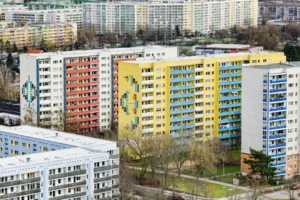
After World War II, the victorious Allies couldn't agree on Germany's future. The country split into two separate states in 1949. West Germany became the Federal Republic of Germany, aligned with the West. East Germany became the German Democratic Republic, a communist state under Soviet influence.

Democracy, market economy, and integration with Western Europe. The Wirtschaftswunder or economic miracle transformed ruins into prosperity. By the 1960s, West Germans enjoyed one of the world's highest living standards.

Socialist state with centralized planning and Stasi surveillance. Citizens lived under constant monitoring. Shortages were common. Yet the GDR became the most prosperous Eastern Bloc nation, though far behind the West.
The Berlin Wall: Symbol of Division
In 1961, East Germany built a wall through Berlin to stop people fleeing west. Families were split overnight. The wall became the Cold War's most powerful symbol. Guards shot anyone attempting to cross. Over 140 people died trying to escape.
Life in divided Germany meant two completely different experiences. West Germans traveled freely, enjoyed
The Fall of the Wall and Reunification (1989-1990)
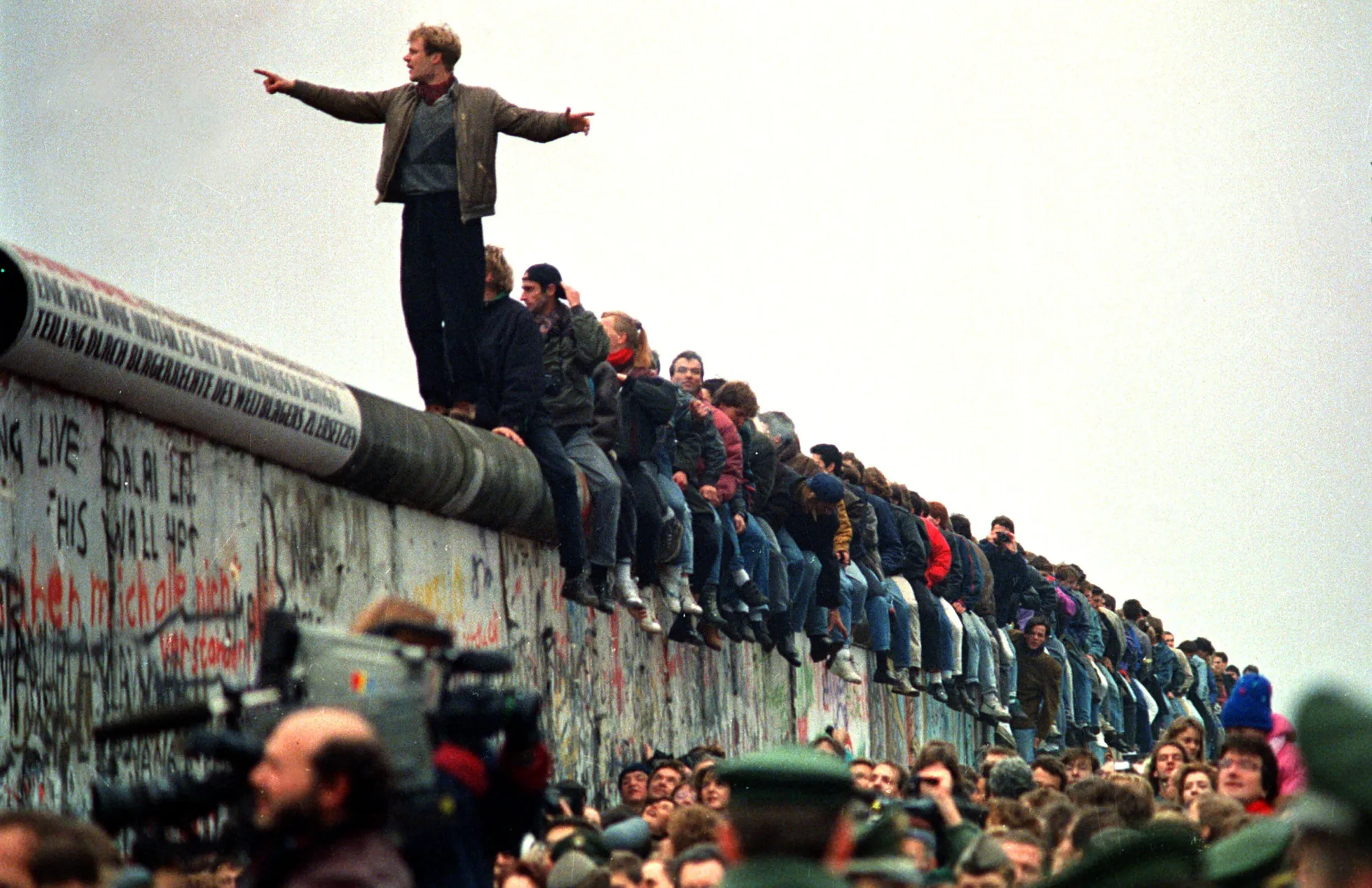
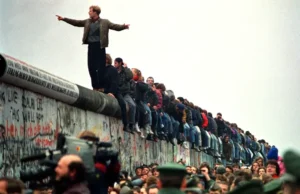
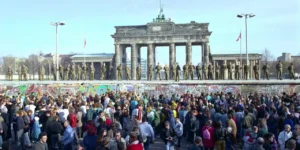
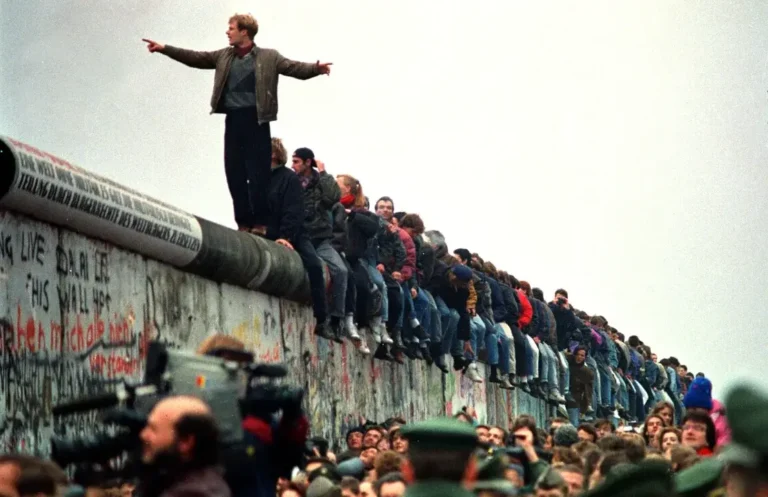
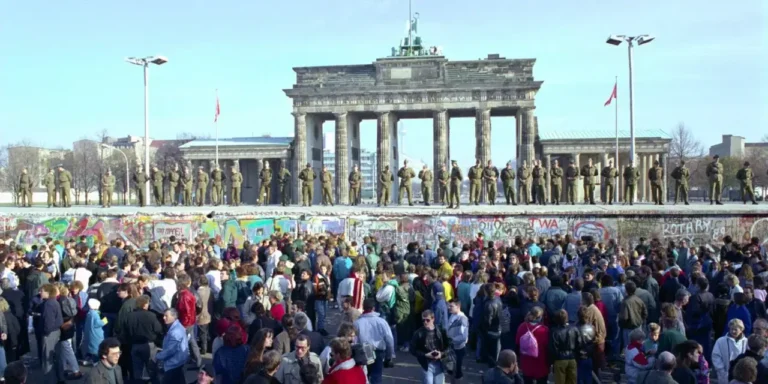
November 9, 1989: Berliners celebrate atop the wall that divided them for 28 years
Everything changed on November 9, 1989. A confused announcement about travel rules led thousands of East Berliners to rush the wall checkpoints. Guards, overwhelmed and lacking orders, opened the gates. People poured through. Strangers embraced. Champagne flowed. Germans attacked the wall with hammers and pickaxes.
The Path to Unity
Berlin Wall falls. East Germans flood west. Reunification talks begin immediately.
First free elections in East Germany. Pro-reunification parties win decisively.
Official reunification. Germany becomes one nation again after 45 years of division.
Reunification happened remarkably fast. Less than a year separated the wall's fall from formal unity. But merging two different systems proved complicated. East Germany's economy collapsed. Factories closed. Unemployment soared. The government spent trillions to rebuild infrastructure and support eastern states.
Challenges
Economic gaps persist between east and west. Wages remain lower in eastern states. Some easterners feel like second-class citizens. The term "Ossi" for easterners and "Wessi" for westerners still carry weight. Full integration takes generations, not years.
Achievements
Germany became Europe's economic engine. Berlin transformed into a vibrant capital. Eastern cities like Leipzig and Dresden flourished. Today's Germany, with its efficient public transport systems and strong social programs, reflects lessons from both halves.
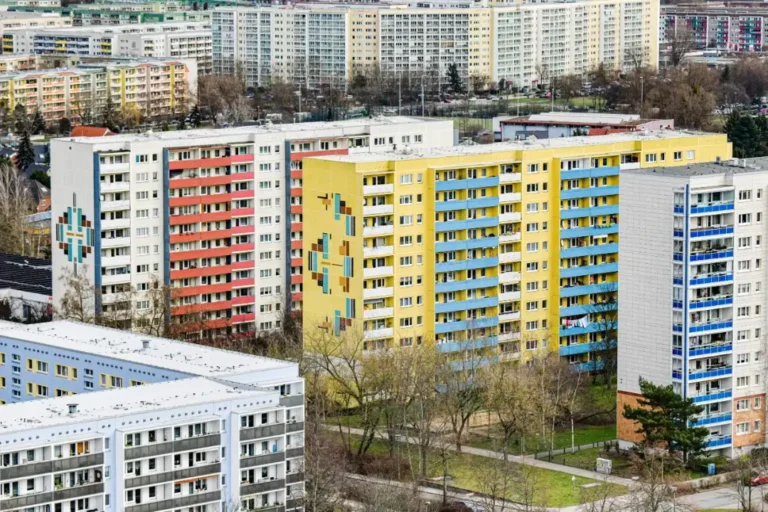
Walking through German cities today, you pass layers of time. A medieval church stands next to a 1960s concrete building. A piece of the Berlin Wall becomes street art. Holocaust memorials interrupt busy shopping districts. This isn't accidental.

The history you've just explored shows up in unexpected ways. Why Germans value punctuality and efficiency connects to industrialization. Why environmental consciousness runs deep traces to post-war rebuilding philosophy. Why debates about immigration get heated relates to national identity questions that reunification never fully resolved.
For internationals living here, these historical threads weave through daily experiences. The precision of traditional German food preparation reflects centuries of craft traditions. The seriousness about rules and systems stems from hard-learned lessons about what happens when institutions fail. The reserved nature many Germans show in public comes partly from a culture that learned to be careful about collective enthusiasm.
Germany keeps remaking itself while carrying its past forward. The country that caused World War II now champions peace. The divided nation became whole. The economic wreckage transformed into prosperity. Understanding where Germany came from helps decode where it's going and why it moves the way it does.
Keep exploring Germany's story through its present.
Discover more from Elan German
Subscribe to get the latest posts sent to your email.