
How Germany Rebuilt After WW2: Destruction to a Powerhouse
In 1945, Germany lay in complete ruins. Cities were flattened, the economy had collapsed, and the nation was emotionally shattered. Yet within just two decades, how Germany rebuilt after WW2 became one of history's most remarkable recovery stories. From the ashes of total destruction emerged the "Wirtschaftswunder", an economic miracle that transformed Germany into Europe's powerhouse. This incredible journey from devastation to prosperity reshaped not just buildings and borders, but an entire society's relationship with itself and the world.
The speed of this transformation defied all expectations. By the 1960s, the same country that had been carved up among Allied powers was driving European economic growth. Understanding this recovery reveals lessons about resilience, international cooperation, and the power of systematic reconstruction that still influence modern German efficiency today.
Germany Before the Fall: A European Powerhouse
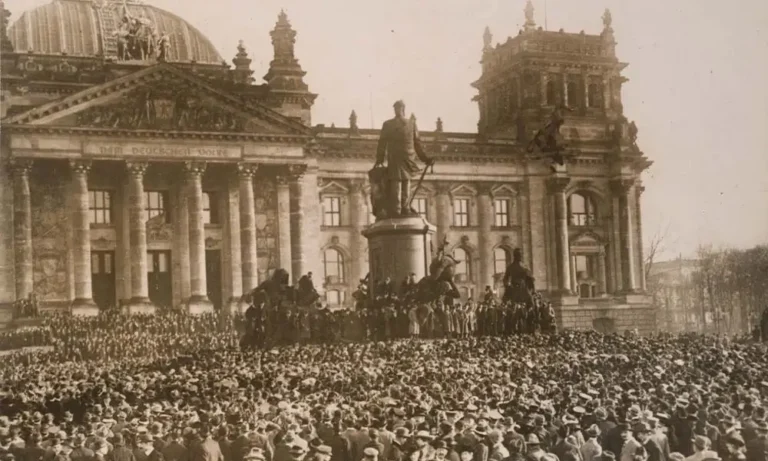
Before 1939, Germany stood as Europe's industrial giant and cultural beacon. The country boasted the world's most advanced manufacturing systems, prestigious universities that attracted scholars from across the globe, and cities that rivaled Paris and London in their architectural grandeur and intellectual sophistication. Berlin pulsed with cultural energy, hosting everything from groundbreaking theater productions to cutting-edge scientific research that would shape the modern world.
German engineering had become synonymous with precision and innovation. The nation's factories churned out machinery, chemicals, automobiles, and electrical equipment that dominated international markets. Cities like Dresden earned the romantic nickname "Florence on the Elbe" for their stunning baroque architecture and rich cultural heritage. Munich thrived as Bavaria's cultural capital, while Hamburg's massive port connected German industry to global trade networks.
This wasn't just about industrial might. German society had cultivated sophisticated social customs and cultural traditions that had evolved over centuries. From the gemütlichkeit of Munich's beer halls to the intellectual salons of Berlin, from the Christmas markets that would later influence global traditions to the culinary heritage that defined regional identities, Germany represented a complex tapestry of regional cultures unified under one rapidly modernizing nation.
The economic foundation seemed unshakeable. German banks financed projects across Europe, German scientists led Nobel Prize categories, and German cities showcased urban planning that other nations sought to emulate. Life moved with the confidence of a people who saw themselves as central to European civilization, inheritors of a rich cultural legacy that stretched from medieval craftsmanship to modern industrial prowess.
Total Devastation: When Germany Hit Rock Bottom
By May 1945, Germany after World War 2 faced complete annihilation across every dimension of national existence. The country that had once dominated European industry lay in ruins so complete that Allied observers struggled to comprehend the scale of destruction. Major cities had been reduced to skeletal remains, with some areas experiencing destruction rates exceeding 90%. The financial system had collapsed entirely, leaving the Reichsmark worthless and forcing citizens into primitive barter economies.
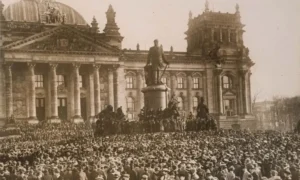
The political devastation ran deeper than mere military defeat. The Nazi state apparatus had disintegrated, leaving no functioning government, no administrative structure, and no legal framework. Germany ceased to exist as a sovereign nation, carved up among four Allied powers who disagreed fundamentally about the country's future. This political vacuum created chaos that extended far beyond governance into every aspect of daily life.
Perhaps most heartbreaking was the human cost and emotional devastation. Families had been torn apart, with millions dead, missing, or displaced across Europe. In Berlin, desperate residents stripped the famous Tiergarten of its ancient trees, chopping them down for firewood during the brutal winter of 1945-46. Parks that had provided centuries of respite became muddy wastelands as survival took precedence over preservation.
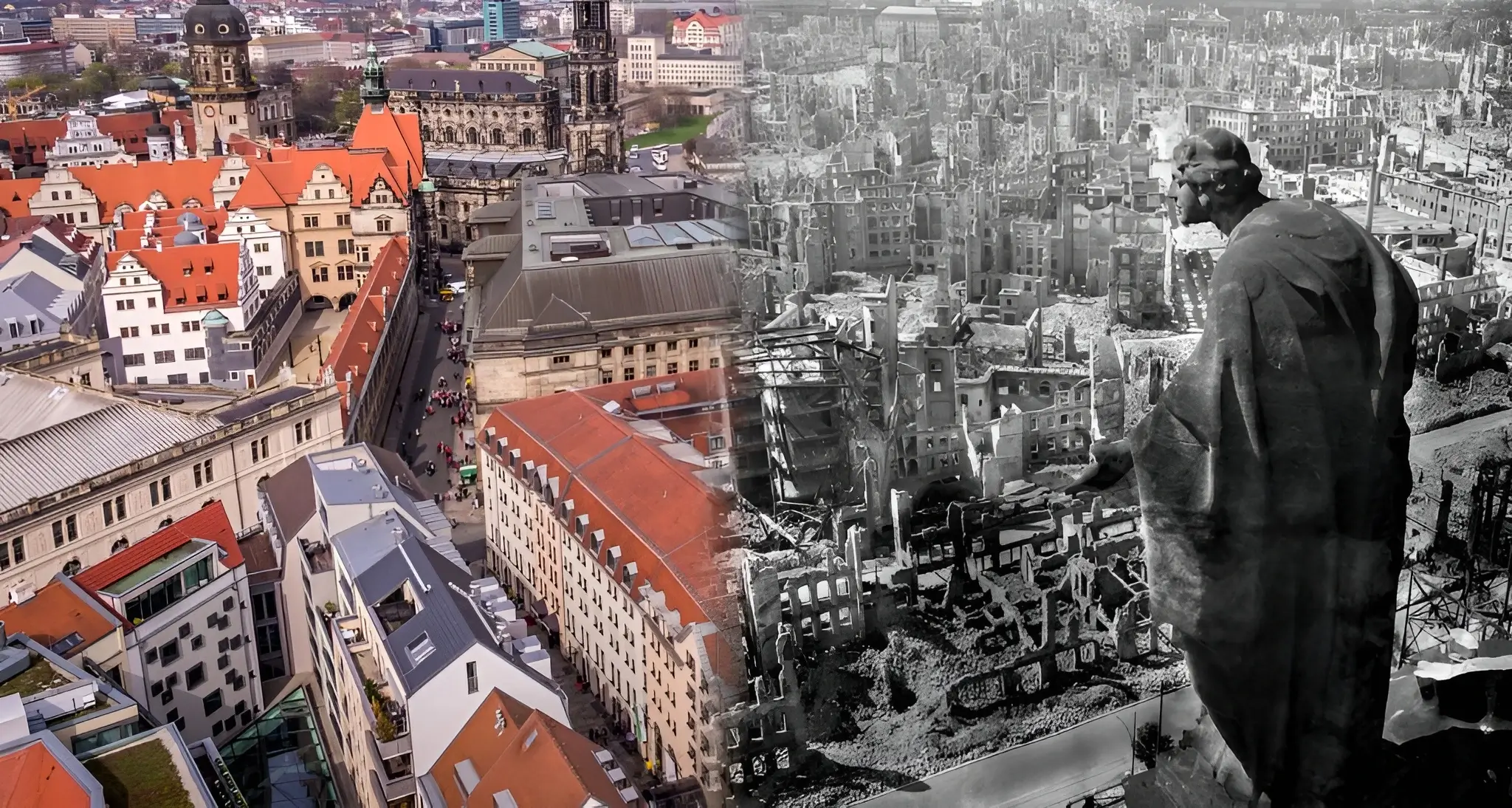
Dresden destroyed became the symbol of urban annihilation. This "Florence on the Elbe" that had survived centuries of European conflicts was virtually erased in a matter of hours during February 1945. The baroque masterpieces, the Frauenkirche, the Royal Palace, the Semper Opera House – all reduced to rubble and ash. The city that had housed priceless art collections and architectural treasures spanning 800 years lay buried under tons of debris, its cultural heritage seemingly lost forever.
Infrastructure had ceased to function. Railways were twisted metal, bridges had been bombed into rivers, and ports lay clogged with sunken vessels. Water systems failed, electrical grids went dark, and telecommunications networks had been severed. Even basic sanitation became impossible in many areas, leading to disease outbreaks that compounded the misery. The very foundations of modern civilization had been methodically destroyed, leaving survivors to rebuild not just buildings, but entire systems of daily life.
The Miracle Recovery: How Germany Rose from the Ashes
The transformation that began in the late 1940s defied every prediction about how Germany recovered after WW2. Despite being divided into East and West, both regions embarked on reconstruction efforts that would reshape the European landscape. The Marshall Plan poured $1.4 billion into West Germany alone, providing crucial initial capital, but the real miracle lay in how Germans themselves approached the monumental task of rebuilding their civilization from scratch.
West Germany's "Wirtschaftswunder" became legendary, but the systematic approach extended far beyond economics. New political structures emerged that prioritized stability and cooperation over the authoritarian traditions of the past. The federal system distributed power among regions, while efficient organizational principles that would later define modern Germany first took shape during this reconstruction period.
How did Germany get rich after World War 2 became a case study in economic planning. Currency reform in 1948 stabilized the monetary system, while industrial policies focused on high-value manufacturing and export-oriented growth. German companies rebuilt not just their factories, but their entire approach to quality and precision. The "Made in Germany" label, which had been a mark of shame in the early 20th century, transformed into a global symbol of excellence.
Cities like Dresden demonstrated the remarkable scope of reconstruction efforts. The same baroque masterpieces that had been reduced to rubble began rising again, stone by carefully documented stone. Archaeological teams had meticulously catalogued debris from destroyed buildings, creating detailed reconstruction plans that would guide restoration efforts for decades. The Frauenkirche, Dresden's iconic church, became a symbol of this patient, methodical approach to cultural restoration.
However, the reconstruction created new geographical power centers. Berlin, despite massive rebuilding efforts, could never fully reclaim its prewar status as Germany's undisputed center. Bavaria emerged stronger than ever, with Munich becoming a major economic hub. The Ruhr Valley transformed from heavy industry to technology and services. Western regions generally prospered more than eastern ones, creating economic patterns that would influence German development for generations. This wasn't just about rebuilding what existed before, but reimagining what Germany could become in a completely new European context.
Living Scars: How the Past Still Shapes Modern Germany
Today's Germany carries visible reminders of its traumatic past, deliberately preserved as monuments to memory and resilience. The Kaiser Wilhelm Memorial Church in Berlin stands as perhaps the most powerful symbol of this approach. Rather than rebuilding the bombed church completely, architects chose to preserve the damaged spire alongside a modern structure, creating a striking juxtaposition that speaks to both destruction and renewal. This architectural decision reflects a broader German philosophy about confronting rather than erasing difficult history.
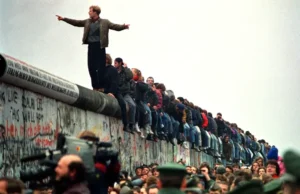
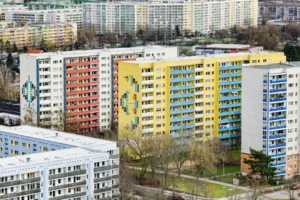
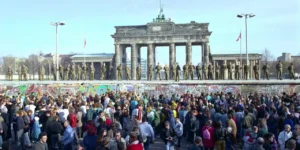
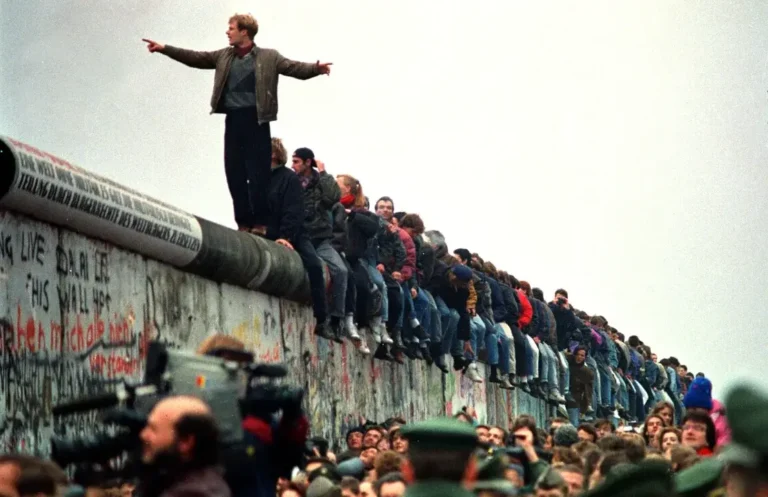
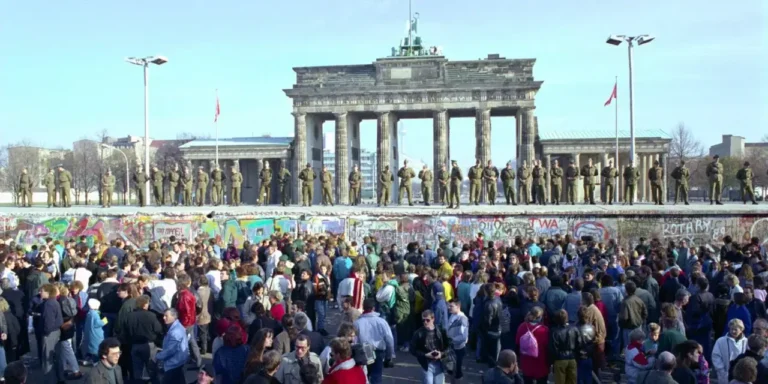
Do we still see East West divide in Germany remains a question with complex answers. The physical wall disappeared in 1989, but economic, cultural, and even psychological differences persist across the former divide. Eastern German cities still display lower average incomes, different voting patterns, and distinct cultural attitudes shaped by four decades of separate development.
The reconstruction period created lasting changes in German social fabric that extend far beyond architecture and economics. Modern German culture emphasizes consensus-building, systematic planning, and environmental consciousness in ways that directly trace back to post-war reconstruction experiences. The famous German efficiency isn't just a stereotype – it emerged from the practical necessity of rebuilding an entire civilization with limited resources and careful coordination.
Memorial sites throughout Germany serve as active reminders of the cost of extremism and war. From concentration camp memorials to bombing sites, these locations anchor historical memory in physical space. The approach reflects what Germans call "Vergangenheitsbewältigung" – coming to terms with the past through active engagement rather than avoidance. This cultural commitment to historical consciousness influences everything from education policy to international relations.
Even urban planning bears the imprint of reconstruction philosophy. German cities today prioritize efficient public transportation, mixed-use development, and green spaces in ways that reflect lessons learned during the rebuilding years. The pedestrian zones, bicycle infrastructure, and integrated transit systems that make German cities livable weren't just modern innovations – they were deliberate choices informed by the experience of rebuilding urban life from scratch.
From Ruins to Renaissance: The Enduring Legacy
The story of how Germany rebuilt after WW2 transcends simple reconstruction, it represents one of history's most comprehensive societal transformations. What began as desperate survival efforts, after a significant event in German history, evolved into a systematic reimagining of how modern nations could approach economic development, social integration, and international cooperation. The speed and scope of this transformation continues to influence global approaches to post-conflict reconstruction.
Germany redemption after World War 2 wasn't just about rebuilding buildings or restoring economic output. It required reconstructing national identity, social trust, and cultural values from the ground up. The integration of millions of refugees, the development of new democratic institutions, and the creation of European cooperation frameworks all emerged from the practical necessities of this reconstruction period.
Modern Germany's approach to everything from environmental policy to international diplomacy bears the imprint of reconstruction-era lessons. The emphasis on multilateral cooperation, systematic planning, and long-term thinking reflects institutional memory of what happens when these principles are abandoned. Even contemporary German culture – the work-life balance, the emphasis on quality over quantity, the integration of social responsibility into business practices – connects back to values that emerged during the rebuilding years.
The transformation from 1945 to today reveals how completely a society can reinvent itself while maintaining cultural continuity. Germany rebuilt cities that honored their historical character while embracing modern functionality. The country that had been synonymous with military aggression became a leader in peaceful conflict resolution. The nation that had been divided by ideological extremes developed stable, consensus-based governance that other democracies study and emulate.
Perhaps the most remarkable aspect of this story is how it continues to evolve. Each generation of Germans must decide how to balance historical memory with contemporary innovation, how to maintain the institutions that enabled prosperity while adapting to new global challenges. The reconstruction legacy isn't a finished achievement but an ongoing commitment to the principles that made recovery possible: systematic effort, international cooperation, and the belief that even the most devastating setbacks can become foundations for something better.
How Germany Rebuilt After WW2: Destruction to a Powerhouse
How Germany rebuilt after WW2 so quickly?
Was Germany completely destroyed after World War 2?
How did Germany get rich after World War 2?
Do we still see East West divide in Germany today?
How was Dresden destroyed and rebuilt?
What was Germany's redemption after World War 2?
How did Germany recover economically after WW2?
Which German cities were rebuilt after World War 2?
What was Germany like immediately after World War 2?
How long did it take Germany to rebuild after WW2?
Discover more from Elan German
Subscribe to get the latest posts sent to your email.