

Common Culture Shock Indian Students Face in Germany
Common Culture Shocks Indian Students Face in Germany follows a few predictable patterns. The adjustments Indian students commonly find hardest in Germany are direct communication style, which can initially feel blunt rather than simply honest, near total quiet on Sundays when almost everything closes, strict punctuality expectations even in casual social settings, and a slower, more reserved approach to forming friendships compared to the immediate warmth common in Indian social life. Beyond these four, many students also mention the sheer amount of paperwork and bureaucracy involved in everyday tasks, the different rhythm of meals and food culture, and a much quieter, more private approach to neighborly interaction than they were used to at home. Weather and daylight hours add another layer entirely, since winters in much of Germany bring short, dark days that can affect mood and energy in ways few students anticipate before their first December abroad. None of these are actually hostile, they're consistent cultural patterns once you understand the logic behind them. This page grounds each surprise in a concrete everyday scenario, since specific examples prepare a newcomer far better than a vague list of generalities.
Common Culture Shocks Indian Students Face in Germany: Scenarios That Catch Newcomers Off Guard
Direct Feedback
A German colleague or classmate telling you plainly that your idea has a flaw isn't being rude, it's considered efficient and respectful of your time. Softening criticism heavily, common in Indian workplace and academic culture, isn't the local default. This german communication style Indians often read as harsh actually reflects a preference for clarity over diplomacy, and it applies just as much to praise, so a plain "good job" carries more weight here than it might at home.
Sunday Silence
Nearly all shops close on Sundays, and loud activities like drilling or mowing the lawn are legally restricted, part of a set of quiet hour rules many newcomers file under Germany's weird laws until they understand the reasoning. Planning your weekly grocery shopping around this, rather than assuming Sunday flexibility, avoids a lot of first week frustration.
Punctuality Everywhere
Arriving five minutes late to a casual coffee meetup can genuinely be read as disrespectful, not just to business meetings. This German punctuality culture applies more broadly across social life than many newcomers initially expect, and public transport schedules reinforce the same habit, since trains and trams that run a minute early or late still draw visible annoyance from regular commuters.
Slower Friendships
Germans often take longer to consider someone a close friend compared to the immediate warmth common in Indian social circles, but those friendships, once formed, tend to be deep and long lasting. Group projects and shared flats tend to speed this process up naturally, since regular contact over weeks builds the familiarity that a single warm introduction would in a more expressive culture.
Bureaucracy Overload
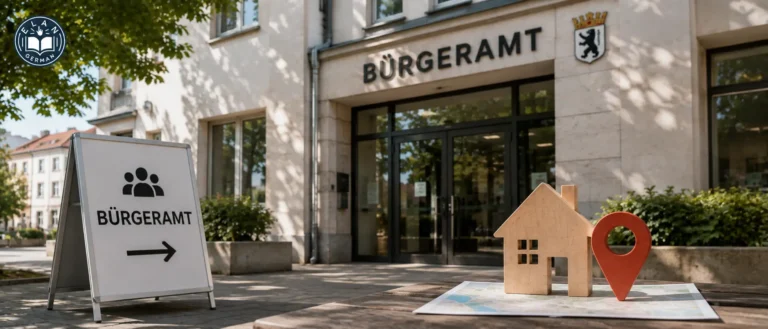
Nearly every task, from opening a bank account to registering an address, requires a specific form, a specific office, and often a specific appointment booked weeks ahead. Students used to a more flexible, in person approach to paperwork back home often find this the single most exhausting part of adjusting to Germany as an Indian student, at least until they learn which offices to prioritize.
Food and Mealtime Rhythm
Dinner tends to be lighter and earlier than a typical Indian evening meal, spices are milder by default, and finding familiar ingredients sometimes means a trip to a specific Asian grocery store rather than the nearest supermarket. Most students adapt within a few months, often by cooking more for themselves than they expected to.
Short Winter Daylight
Sunset before five in the afternoon during winter months surprises students from most parts of India, where day length varies far less across the year. Many find that a regular walk during the brief daylight hours and staying socially active indoors helps offset the mood dip that shorter days can bring.
Cash Over Cards
Plenty of smaller shops, cafes, and even some doctors' offices still expect cash payment rather than card or mobile payment, a habit that surprises students used to a rapidly cashless India. Carrying a reasonable amount of cash for daily errands avoids the awkwardness of a declined card at the till.
How to Adjust Faster When Adjusting to Germany as an Indian Student
Reframing directness as efficiency rather than unkindness is the single biggest mental shift that helps. Stock up on groceries by Saturday evening, since Sunday closures catch nearly every newcomer at least once. Treat casual meetup times with the same punctuality you'd give a formal appointment, and give friendships time to develop naturally rather than expecting the same pace of closeness you're used to at home. None of these adjustments take long to internalize, usually just a semester or two, but knowing them in advance is what really softens culture shock in Germany for Indian students.
Building a small support network early also makes a real difference. Many Indian students in Germany, particularly in cities with an established community, find comfort in local cultural events and festival gatherings, from Diwali celebrations organized by student associations to events like Ganeshotsav in Berlin, which recreate a familiar rhythm of community life while you adjust to a much quieter daily routine. Joining a university international student group in your first few weeks tends to shorten the adjustment period noticeably, since having even two or three people who understand both cultures makes the strange moments easier to laugh about rather than dwell on.
Learning even basic German phrases early also reduces friction more than most students expect. You do not need fluency to notice a shift in how shopkeepers, neighbors, and administrative staff respond once you can manage a simple greeting or a polite request rather than defaulting straight to English. A small amount of language effort signals genuine interest in settling in, and it often softens exactly the kind of blunt, transactional interactions that feel most jarring in the first few weeks.
| Everyday Situation | Common in India | Common in Germany |
|---|---|---|
| Giving feedback | Often softened, indirect phrasing | Direct, stated plainly |
| Sunday errands | Shops generally open as usual | Most shops closed by law |
| Social punctuality | Some flexibility expected | On time means on time |
| Making friends | Quick warmth, fast familiarity | Slower trust, lasting once formed |
| Neighborly contact | Frequent, informal drop ins | More private, contact by arrangement |
Seeing germany vs india daily life laid out this way makes clear that almost none of these differences are about right or wrong, they are simply different defaults that both work fine within their own social context. The friction newcomers feel usually comes from applying one set of defaults inside a system built around the other, and that friction fades quickly once you consciously switch expectations rather than assuming your home country's norms will transfer automatically.
A Reassuring Note
None of these adjustments reflect unfriendliness toward internationals specifically, they're consistent cultural patterns Germans apply to each other too. Most Indian students report that once the initial adjustment period passes, usually within the first semester, culture shock in Germany for Indian students fades and these patterns simply become the normal rhythm of daily life. Several students describe a specific turning point, often the moment they catch themselves getting mildly annoyed at someone else running late, when they realize the local habits have quietly become their own.
Talking to seniors who arrived a year or two earlier is consistently one of the fastest ways to shorten this adjustment window, since they can flag the specific quirks of your city and university that a general guide simply cannot cover. Most Indian student associations and WhatsApp groups organized around individual universities are happy to answer these small, practical questions long before you land, from which supermarket carries familiar spices to which professors appreciate questions after a lecture rather than during one. That kind of specific, local knowledge often matters more in the first month than any general cultural overview, this one included.
Further Reading on Life in Germany for Indians
These established resources offer broader newcomer guidance and support services for anyone navigating culture shock Germany Indian students commonly experience.
FAQ: Common Culture Shock Indian Students Face in Germany
What causes the German directness surprise for Indian students?
German communication culture values efficiency and clarity, so direct feedback is considered respectful rather than rude, unlike the more indirect style common in Indian communication.
Why do shops close on Sundays in Germany?
Sunday closing laws are a long-standing German tradition meant to protect a shared day of rest, and they apply to almost all retail businesses.
Is punctuality really that important in casual German social life?
Yes, arriving late even to informal meetups can be read as disrespectful, unlike more flexible timing norms in some other cultures.
Do Germans take longer to become close friends?
Often, yes, German friendships tend to form more gradually but are typically deep and long-lasting once established.
Is culture shock in Germany temporary for Indian students?
Most students report that the adjustment period eases significantly within the first semester as these patterns become familiar.
How should I prepare for the quiet Sundays Germany surprise?
Plan your grocery shopping and errands for Saturday, since most stores close on Sunday and loud activities are also restricted.
Is German directness a sign of unfriendliness toward internationals specifically?
No, it’s a consistent cultural communication style Germans apply to each other as well, not something aimed at newcomers.
Discover more from Elan German
Subscribe to get the latest posts sent to your email.