
From Royal Wedding to World's Biggest Beer Festival
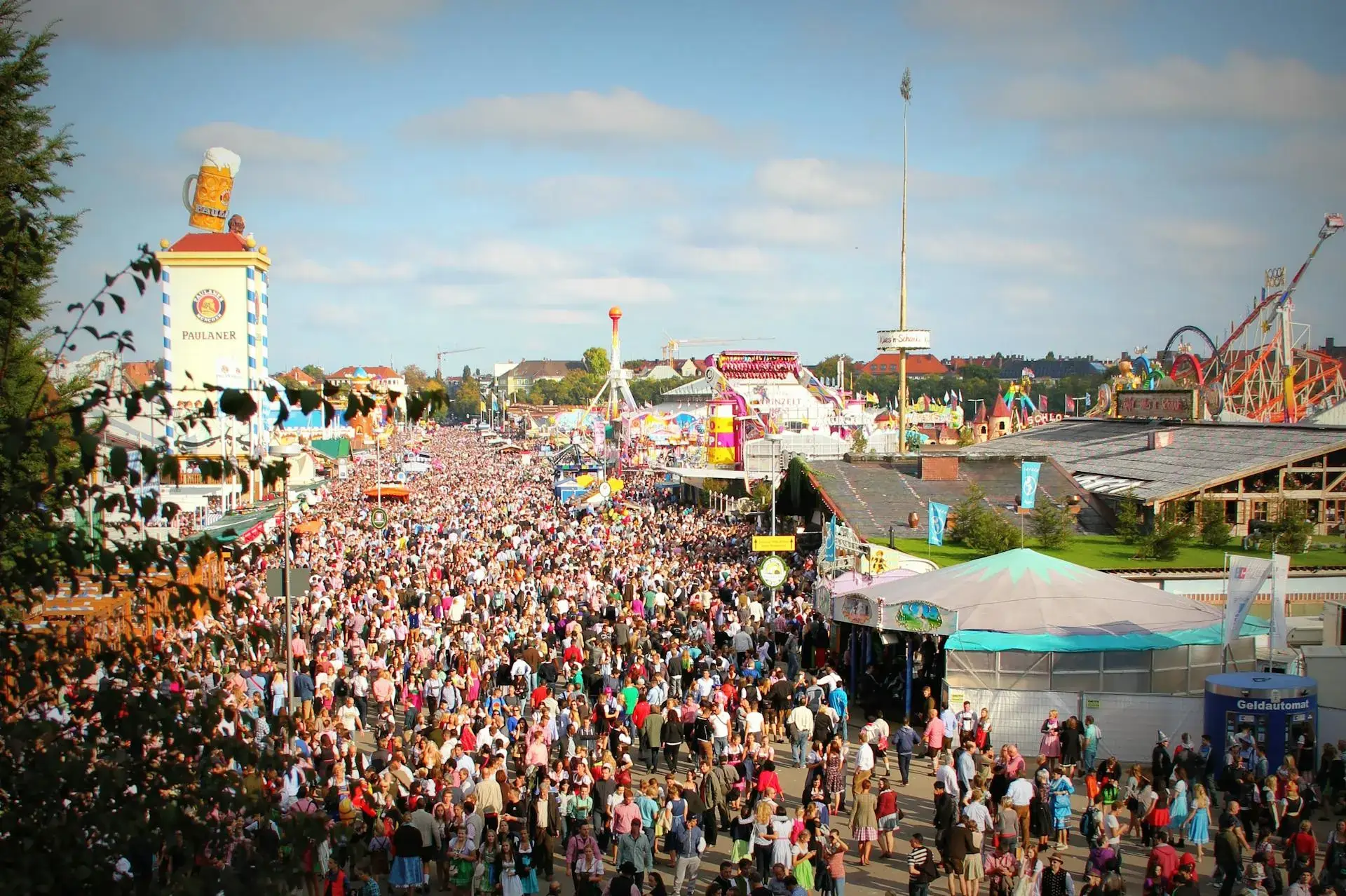
What started as a simple royal wedding celebration in 1810 has evolved into an absolute phenomenon that shuts down Munich for over two weeks. Crown Prince Ludwig married Princess Therese, and the entire city was invited to party on the fields outside Munich. Those fields? Named Theresienwiese after the bride.
Here's where it gets intense: what began with a few thousand locals has exploded into a cultural juggernaut. The festival survived two world wars, economic crashes, and even a terrorist attack in 1980. Today, it generates over €1 billion for Munich's economy and requires a security operation that rivals major political summits. The post-war reconstruction period particularly shaped modern Oktoberfest, turning it from a local tradition into Germany's most exported cultural experience.

Beer Tents & The Theresienwiese Area
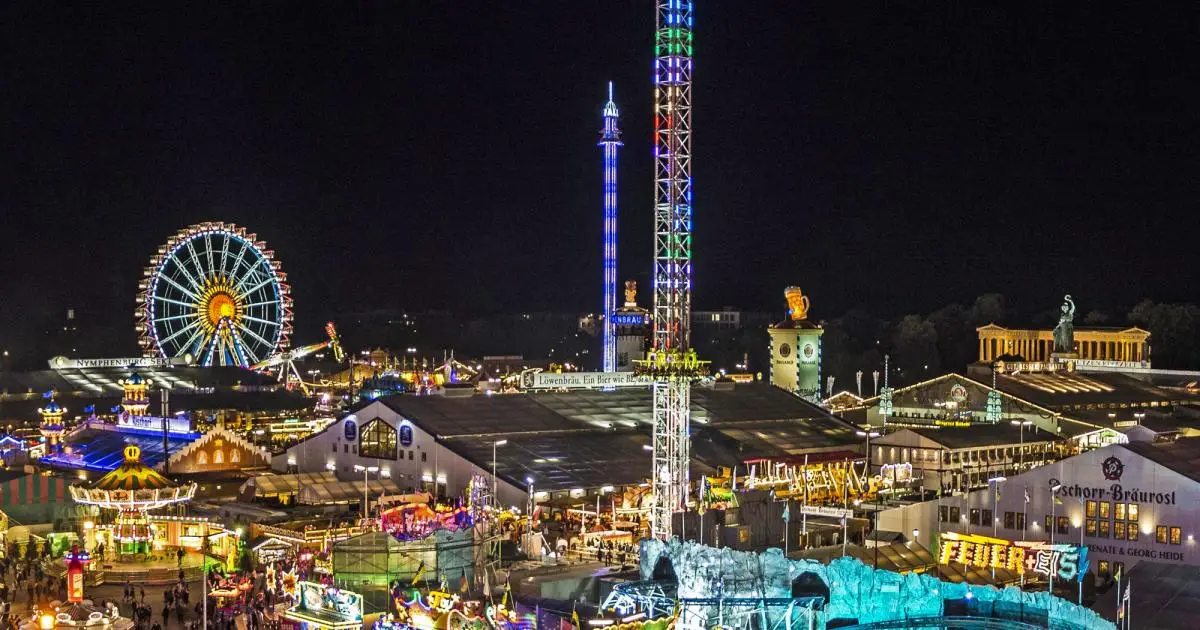
The 103-acre Theresienwiese transforms into a temporary city with 14 major beer tents, dozens of smaller ones, carnival rides, and food stands. Each tent has its unique personality and crowd. Some seat over 8,000 people and the noise levels reach concert intensity during peak times.
Major Beer Tents You Need to Know
Hofbräu-Festzelt
The Tourist Favorite: Most international visitors flock here. Expect loud singing, table dancing, and the famous Hofbräu beer. The atmosphere gets absolutely chaotic but incredibly fun.
Augustiner-Bräu
The Local Choice: Munich locals prefer this tent for its authentic atmosphere and superior beer quality. Less touristy but harder to get into during weekends.
Löwenbräu-Festzelt
The Party Central: Famous for its massive lion statue and incredibly energetic crowds. Young people gravitate here for the party atmosphere that continues long into the night.
Spaten-Franziskaner
The Elegant Choice: More upscale atmosphere with excellent food options. Popular with business people and families during daytime hours.
Smaller Tents & Special Areas
Weinzelt
Wine tent offering Austrian and German wines. Perfect escape when beer gets overwhelming.
Käfer Wiesn-Schänke
Celebrity hotspot with high-end dining. Expect to see famous faces and pay premium prices.
Festzelt Tradition
Organic beer and food options. Quieter atmosphere for those seeking authentic experience without chaos.
Beyond the Tents
The festival area includes a massive funfair with over 100 rides and attractions. From gentle family rides to extreme roller coasters, plus traditional shooting galleries and games. The carnival section operates independently and can cost as much as the beer tents themselves.
The Complete Oktoberfest Experience: Beer, Food & More
The Beer Experience

Only six Munich breweries can serve at Oktoberfest: Augustiner, Hofbräu, Löwenbräu, Spaten, Franziskaner, and Weissbier. Every beer comes in massive 1-liter steins called "Maß" (pronounced "mahss"). Expect to pay €16-20 per stein, plus a tip, and yes, people really do chug entire liters while standing on benches.
The beer is stronger than typical lagers, and the 1-liter serving size catches many visitors off guard. Pace yourself or risk joining the thousands who get escorted out daily.
Authentic Bavarian Food
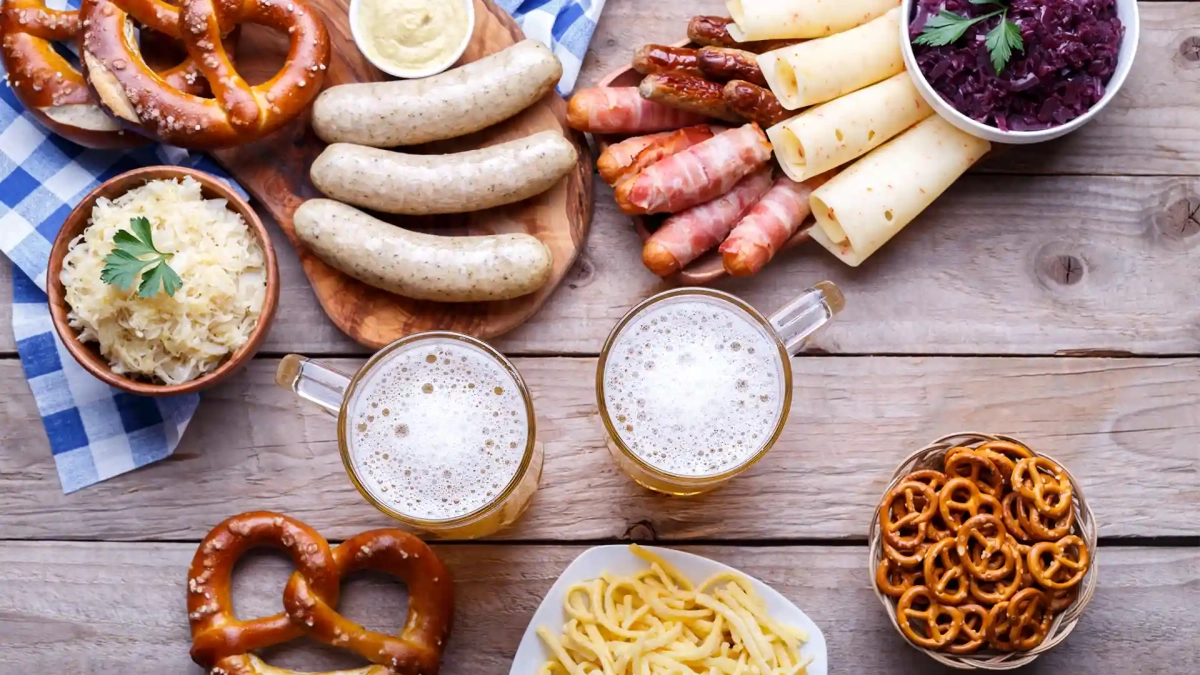
Food at Oktoberfest goes far beyond pretzels. Half roasted chickens, massive pork knuckles, bratwurst, and giant soft pretzels dominate every table. The portions are enormous by any standard. Traditional German dishes here represent authentic Bavarian cuisine at its heartiest.
Most people underestimate the portions. A single pork knuckle can easily feed two people, and the pretzels are the size of dinner plates.
Rides & Entertainment
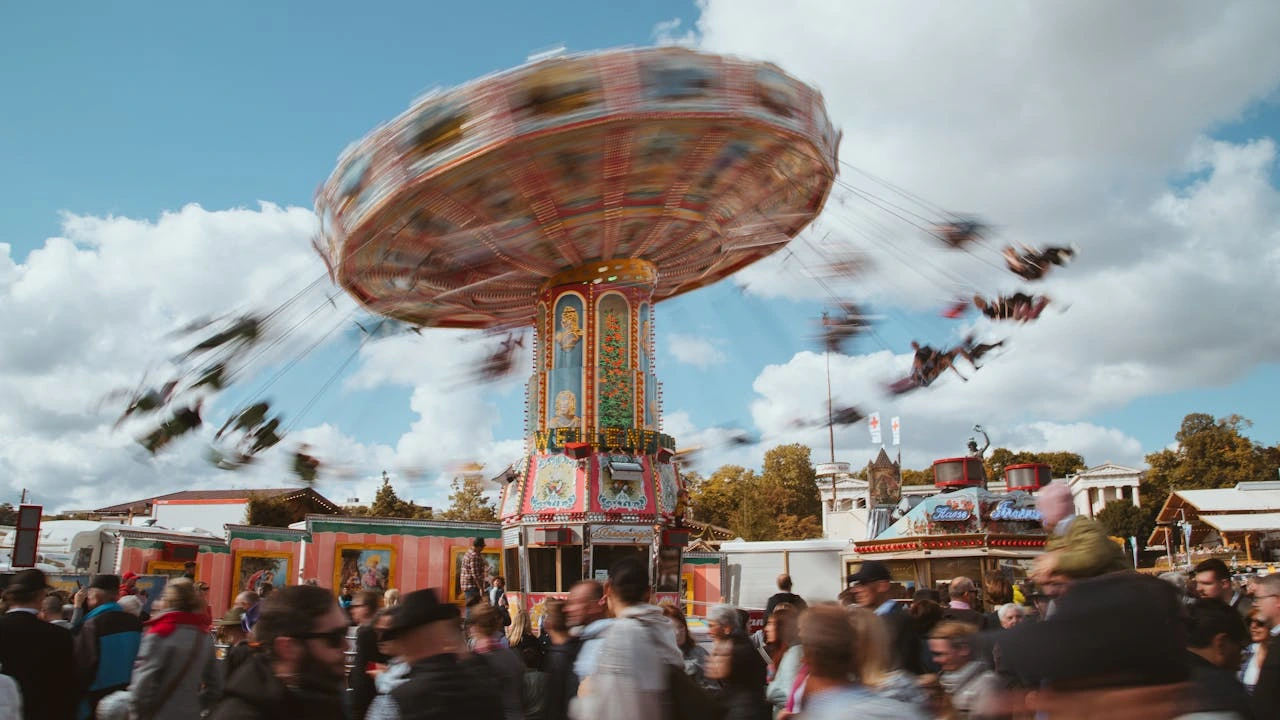
The carnival section rivals any major amusement park with over 100 attractions. From gentle family rides to extreme roller coasters that would make your stomach flip after all that beer. Traditional shooting galleries, strength tests, and game booths line the pathways between major rides.
Thrill Rides
Roller coasters, spinning rides, and drop towers. Not recommended after heavy beer consumption.
Family Fun
Ferris wheels, carousels, and gentle rides perfect for all ages and beer levels.
Traditional Games
Shooting galleries, ring toss, and strength competitions with prizes.
Ride prices range from €3-8 per ride. Many people spend as much on rides as they do on beer, especially families with children.
The Unforgettable Atmosphere
What makes Oktoberfest legendary isn't just the beer or food. It's the collective energy of thousands of people singing traditional songs, strangers becoming instant friends over shared tables, and the infectious joy that fills every tent. Live bands play from morning until night, and everyone participates regardless of language barriers.
The noise levels inside popular tents can exceed 100 decibels. It's loud, chaotic, and absolutely exhilarating. Understanding basic German social customs helps navigate the friendly but overwhelming environment.
Dirndl & Lederhosen: Traditional Oktoberfest Attire
Traditional Bavarian clothing isn't just encouraged at Oktoberfest, it's practically essential for the full experience. About 70% of attendees wear either dirndl or lederhosen. You'll feel out of place in regular clothes, and locals appreciate visitors who embrace the tradition.
Dirndl for Women
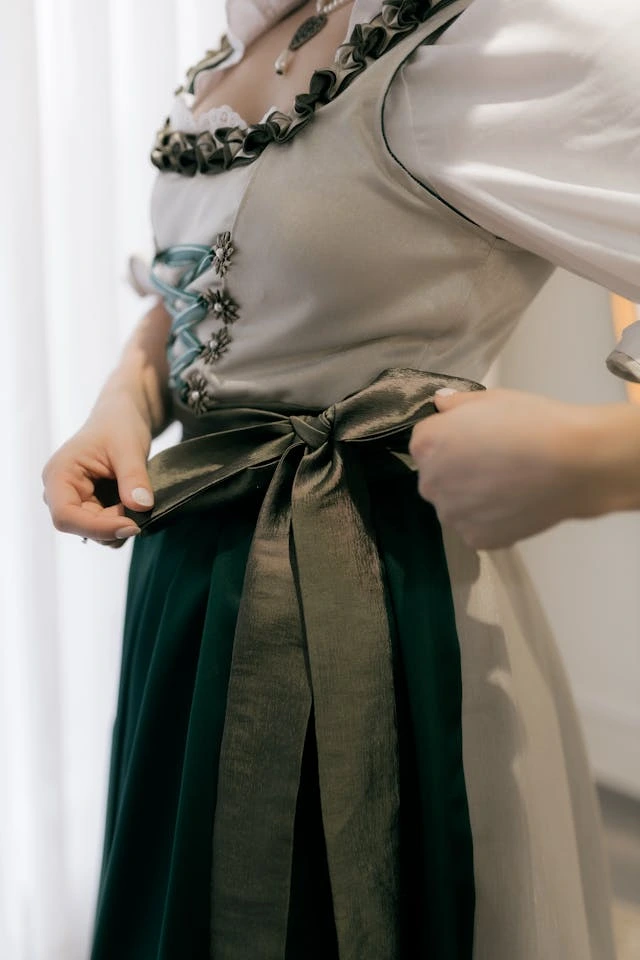
A dirndl consists of four main pieces: the dress (dirndl), blouse (bluse), apron (schürze), and bodice (mieder). Colors range from traditional dark green and blue to modern bright patterns. Quality varies dramatically from €30 tourist versions to €300+ authentic pieces.
The Dress
Knee-length or longer, with fitted bodice and full skirt
The Blouse
White cotton or linen, worn underneath the bodice
The Apron
Decorative overlay, tied with specific bow meanings
Accessories
Traditional shoes, stockings, and jewelry complete the look
Lederhosen for Men

Lederhosen are leather shorts or breeches worn with checkered shirts, suspenders, and traditional Alpine hats. Short lederhosen (above the knee) are more common at Oktoberfest, while long versions (knee-length) are more formal. Authentic leather versions can last decades.
The Lederhosen
Genuine leather shorts with decorative stitching and suspenders
Alpine Shirt
Checkered cotton shirt, usually in blue and white
Accessories
Alpine hat, knee-high socks, and traditional shoes (haferlschuhe)
Optional Extras
Vest, traditional jacket, and decorative pins
The Secret Language of Dirndl Bows
The position of your dirndl apron bow sends a clear message to potential suitors. This tradition dates back centuries and locals still pay attention to bow placement. Here's what each position means:
Left Side
Single and Available
Ready to mingle and meet someone new
Right Side
Taken or Married
In a relationship, married, or not interested
Center Front
Virgin
Traditional meaning, rarely used today
Center Back
Widowed
Traditional meaning for widows
Most international visitors don't know about bow meanings, but locals definitely notice. Choose your position wisely to avoid unwanted attention or missed opportunities.
Where & How to Get Your Outfit
Budget Options (€30-80)
Tourist shops, online retailers, and temporary festival stores. Quality varies, but perfect for first-time visitors or one-time use.
Authentic Pieces (€150-500+)
Traditional Bavarian clothing stores in Munich, family-owned shops, and specialty boutiques. Investment pieces that last for decades.
Rental Services (€25-60/day)
Perfect middle ground for visitors. Many Munich shops offer rental services with authentic pieces at reasonable daily rates.
The crowds go absolutely wild when they see visitors properly dressed in traditional attire. Expect compliments, photos requests, and instant acceptance into the festival community. Traditional dress isn't just clothing here, it's your entry ticket to authentic Bavarian culture.
Discover more from Elan German
Subscribe to get the latest posts sent to your email.