

Where It All Started: The History of Weihnachtsmärkte
The first German Christmas markets appeared in the late Middle Ages. Dresden claims the oldest record from 1434, when it held a one-day market on Christmas Eve. Munich and Frankfurt followed soon after in the 1400s. These weren't holiday celebrations at first. They were practical winter markets where people stocked up on meat, wool, and household items before the cold months hit hard.
The markets evolved over centuries. By the 1600s, they started selling toys, decorations, and seasonal treats. Protestant regions called them Christkindlmarkt, named after the Christkind who brings gifts to children. Catholic areas used different names but the concept spread across German-speaking territories.
The tradition nearly disappeared during World War II. Many markets shut down completely. But they came roaring back in the 1950s and 60s, becoming bigger and more popular than ever. Today's Weihnachtsmärkte blend those medieval roots with modern entertainment, keeping the wooden stalls and traditional crafts while adding concerts, rides, and elaborate light displays. You can check out the German Festivals Calendar to see how Christmas markets fit into Germany's year-round celebration schedule.
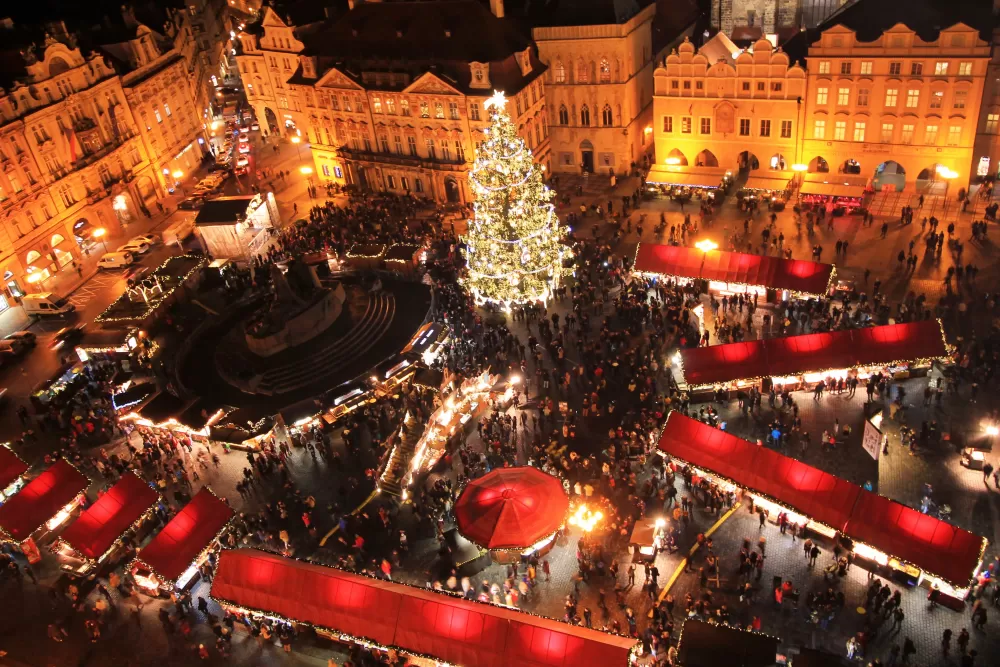
Traditional Weihnachtsmarkt atmosphere that dates back centuries
How German Christmas Markets Work
When They Open
Most German Christmas markets start in late November, usually the Monday of the fourth week before Christmas. The exact date shifts each year based on when Advent falls. In 2025, expect markets to open around November 24th. They run daily until December 23rd, with most closing on Christmas Eve. A few cities keep special markets open until New Year's Eve.
Opening Hours
Markets typically open around 10 or 11 AM on weekdays and stay open until 9 or 10 PM. Weekend hours often extend later, sometimes until 11 PM. The busiest times hit between 5 PM and 8 PM on weeknights when locals finish work. Saturday afternoons draw the biggest crowds. Arrive before noon or after 8 PM for a calmer experience.
Market Layout
Markets set up in town squares, pedestrian zones, or historic districts. You'll find rows of wooden huts arranged in a grid or circle around a central Christmas tree. Food and drink stalls cluster together. Craft vendors spread throughout. Larger markets include small stages for live music, carousels for kids, and heated tents where you can sit and eat.
What You Actually Do There
People come to browse, eat, drink, and soak up the atmosphere. You'll walk from stall to stall checking out handmade ornaments, wooden toys, candles, and winter clothing. Every ten steps there's another stand selling Glühwein, roasted almonds, or bratwurst. The aroma of cinnamon, mulled wine, and grilled meat fills the air.
Shopping happens naturally. You might grab ornaments for your tree, gifts for friends, or a mug of Glühwein to carry while you walk. Kids ride the carousel or visit Santa's workshop areas. Groups of friends meet up to drink and catch up. Couples stroll through the lights. It's part shopping trip, part social event, part sensory experience.
Live entertainment varies by market. Expect brass bands, choirs singing carols, or local musicians performing traditional songs. Some markets feature nativity scenes with live animals. Others put on light shows or projection mapping on nearby buildings. The whole thing creates a festive mood that's hard to capture any other way. If you're planning to explore more of Germany during the season, check out things to do in Berlin for additional winter activities.

Quick Tips for Visiting
Best German Christmas Markets You Need to Visit
Germany has thousands of Christmas markets, but some stand out for their size, history, or unique character. Here are the most famous Weihnachtsmärkte that draw visitors from around the world.
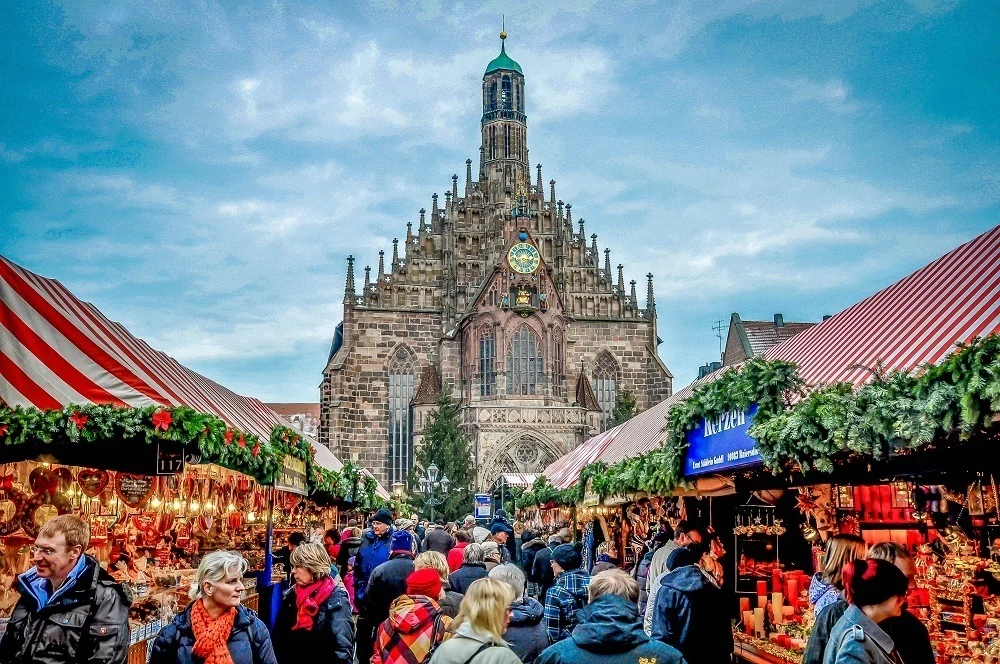
Nuremberg Christkindlesmarkt
The most famous Christmas market in Germany. Nuremberg's Christkindlesmarkt dates back to the mid 1600s and attracts over 2 million visitors each year. The market fills the main square with 180 red and white striped stalls selling traditional crafts. Look for Nuremberg's famous gingerbread, roasted sausages, and handcrafted ornaments. The opening ceremony features the Christkind, an angel figure who delivers a prologue from the church balcony. The market runs from late November through Christmas Eve.
Dresden Striezelmarkt
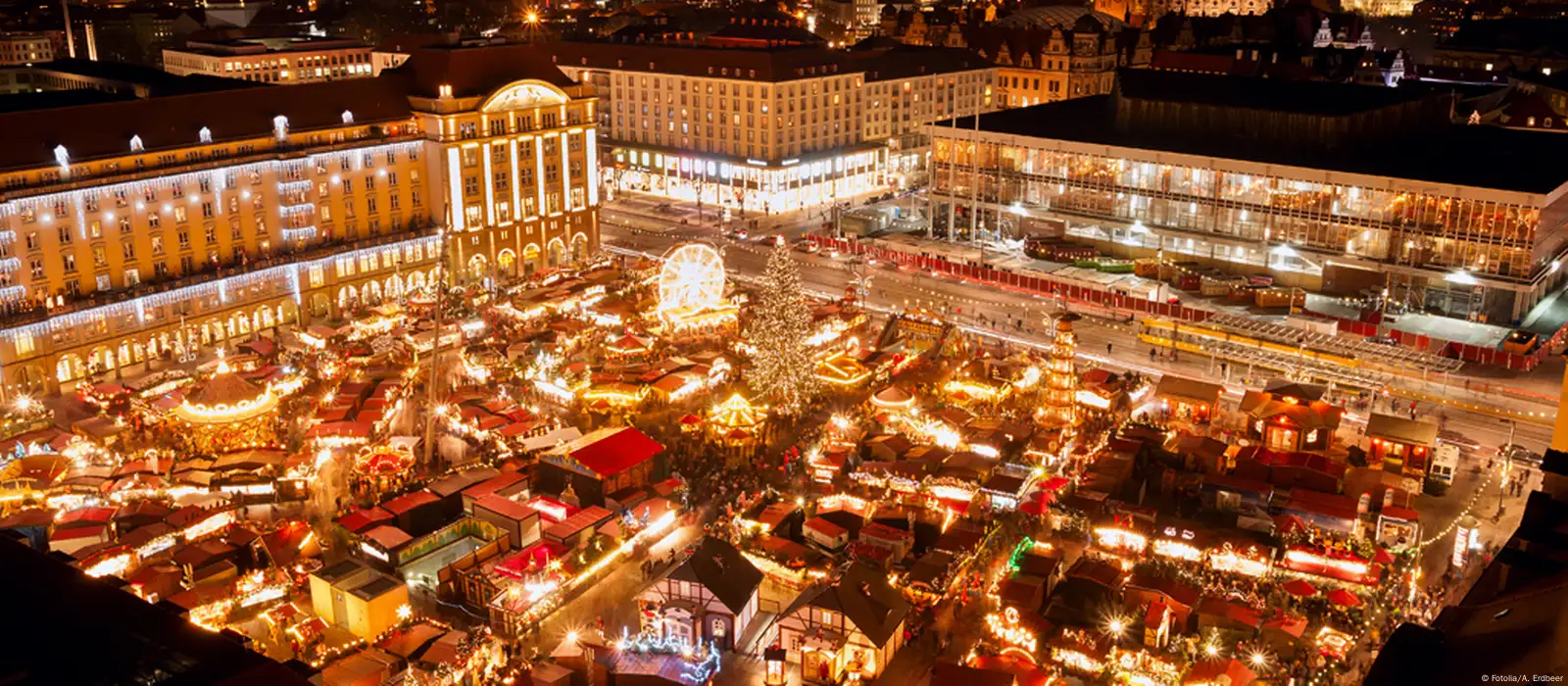
Germany's oldest Christmas market, documented since 1434. Dresden's Striezelmarkt sits in the city's Altmarkt square with about 240 stalls. The market is named after Stollen, the traditional fruit bread that originated here. You'll find a giant Christmas pyramid standing 14 meters tall, making it the world's largest. Dresden excels at traditional crafts, especially wooden toys and decorations from the nearby Ore Mountains. The market atmosphere stays authentic despite its tourist popularity.
Cologne Cathedral Market
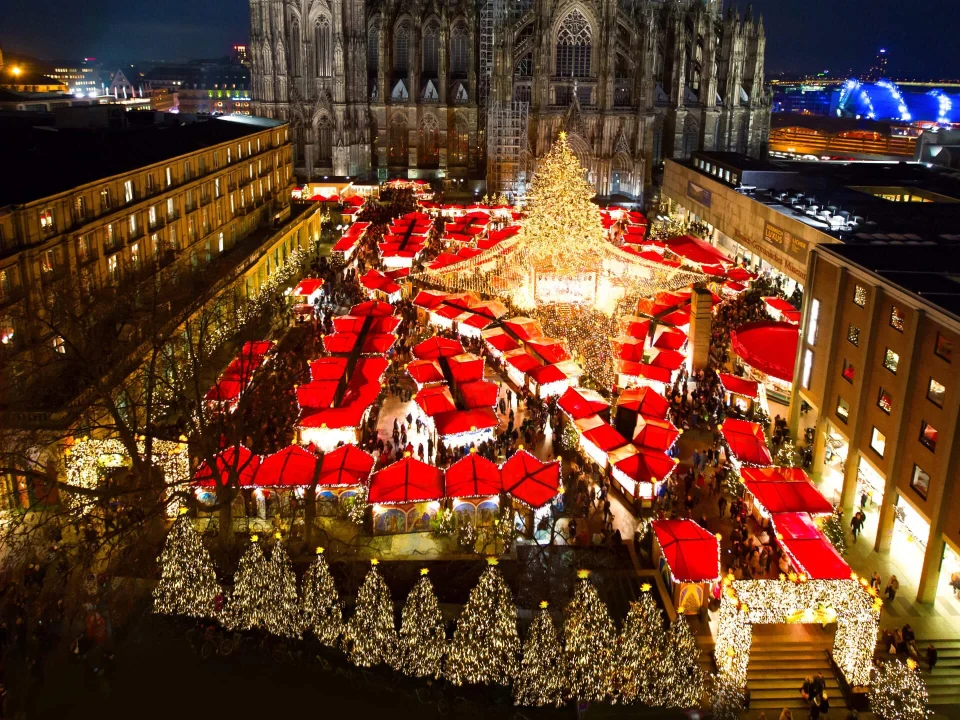
Cologne actually hosts seven different Christmas markets, but the one at the cathedral dominates. A massive Christmas tree towers in front of the Gothic cathedral, creating an incredible backdrop. This market draws 4 million visitors annually. The 160 stalls sell everything from ornaments to local specialties. The location right at the train station makes it super accessible. Cologne's markets stay open slightly later than most, with stalls running until December 23rd.
Munich Christkindlmarkt
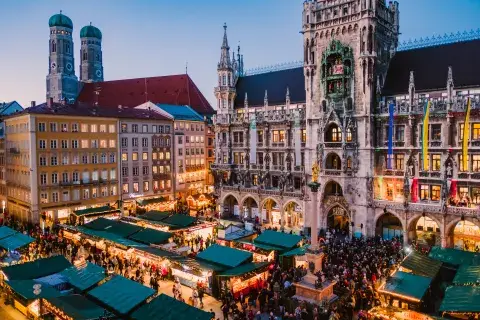
Munich's main Christmas market takes over Marienplatz with 140 stalls. The setting between the Old and New Town Halls creates a spectacular atmosphere. This market leans traditional with Bavarian crafts, local food, and classic decorations. Try the Munich specialty Feuerzangenbowle, a flaming rum punch. The market stays less touristy than Nuremberg despite Munich's size. If you enjoyed Oktoberfest in Munich, the Christmas market brings similar Bavarian energy in a winter setting.
Stuttgart Christmas Market
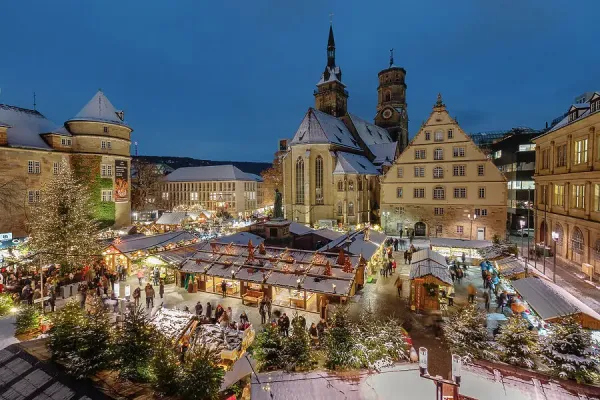
One of the largest and most elaborate Christmas markets in Europe. Stuttgart's market spreads across multiple squares with over 280 beautifully decorated stalls. Each stall gets individually designed with intricate facades and themes. The market features elaborate decorations including festive arches and a forest of decorated trees. The surrounding hills create a natural amphitheater effect. Stuttgart excels at both traditional items and high-quality crafts from international vendors.
More Outstanding Christmas Markets Worth Visiting
Berlin
Berlin hosts over 100 Christmas markets throughout the city. The most popular sits at Gendarmenmarkt, surrounded by the French and German Cathedrals. This market charges a small entry fee but offers higher-quality crafts and less crowding. Alexanderplatz and Potsdamer Platz run larger, free markets with rides and entertainment. The variety lets you experience different atmospheres across the city. Check out more things to do in Berlin while visiting the markets.
Frankfurt
Frankfurt hosts one of Germany's oldest markets, dating to 1393. The Römerberg market spreads across the historic town square with 200 stalls. The timber-framed buildings create a medieval atmosphere. Frankfurt adds a unique twist with pink and white Glühwein, a local specialty. The market stays central and easy to reach from anywhere in the city.
Leipzig
Leipzig's market ranks among the oldest in Saxony, documented since 1458. The main market fills the city center with traditional wooden huts. Leipzig excels at regional Ore Mountain crafts, particularly nutcrackers and smoking figures. The Finnish village section adds an international element with Scandinavian goods and food.
Aachen
Aachen's market sits right at the Belgian and Dutch borders, drawing international crowds. The cathedral provides a stunning backdrop. Aachen is famous for Printen, a spiced gingerbread unique to the region. The market features 120 stalls with a mix of German and international vendors. Location near three borders gives it a cosmopolitan feel.
Heidelberg
Heidelberg combines Christmas markets with castle views. The main market occupies the Marktplatz and University Square. The Heidelberg castle overlooks everything, especially beautiful when lit at night. The market keeps a romantic, intimate atmosphere despite tourist popularity. Perfect for couples looking for a picturesque setting.
Rothenburg ob der Tauber
This medieval walled town looks like a Christmas card year-round. The Reiterlesmarkt fills the market square with about 50 stalls. Rothenburg stays authentic and less crowded than major cities. The town itself is worth visiting, with its preserved medieval architecture and Christmas shops open all year. The market feels like stepping into the past.
Hamburg
Hamburg operates multiple Christmas markets across the city. The historic market at the Rathausmarkt stands out with its large ice-skating rink. The harbor areas host maritime-themed markets with seafood specialties. Hamburg brings a northern German flavor different from Bavaria's alpine markets. The city's waterfront location adds unique character.
Freiburg
Freiburg sits near the Black Forest, bringing mountain charm to its market. The cathedral square hosts the main market with regional crafts from the Black Forest region. Look for wooden cuckoo clocks and traditional hand-carved items. The proximity to France influences the food selection. Freiburg gets less international tourism, keeping prices reasonable.
Augsburg
Augsburg claims one of the oldest documented Christmas markets in Bavaria. The Augsburger Christkindlesmarkt features a special angel stage where children perform. The market spreads across several squares with over 140 stalls. Regional specialties include Augsburg Zwetschgenmännle, figures made from dried plums. The city stays less crowded than Munich but equally traditional.

Each city brings its own character to the Christmas market tradition
Beyond Traditional: Unique Christmas Market Experiences
Not every Christmas market follows the traditional formula. These unique Weihnachtsmärkte offer different themes, settings, and experiences that break from centuries-old traditions while keeping the festive spirit alive.
Medieval Christmas Markets
Several German cities host medieval-themed Christmas markets that transport you back 600 years. Vendors dress in period costumes. Craftspeople demonstrate historical techniques like blacksmithing, pottery, and weaving. You won't find modern decorations or electric lights. Instead, torches and candles illuminate the stalls. The food menu sticks to historical recipes. Mead and mulled wine replace modern drinks. Fire performances and jugglers provide entertainment.
Esslingen near Stuttgart runs Germany's most authentic medieval market. The entire old town center transforms into a 14th-century village. Siegburg near Cologne and Bad Wimpfen also host excellent medieval markets. These markets appeal to history buffs and anyone tired of commercialized Christmas celebrations.

Pink Christmas Market
MunichMunich hosts a Pink Christmas market specifically for the LGBTQ+ community. The market runs in the Glockenbachviertel district with rainbow decorations replacing traditional red and green. Entertainment includes drag shows, live music, and queer performers. The atmosphere stays welcoming and inclusive. It's become one of Munich's most popular alternative markets.
Harbor Christmas Market
HamburgHamburg's Santa Pauli harbor market brings maritime flair to Christmas celebrations. Historic ships dock at the port and transform into floating bars and stages. Maritime decorations dominate. Fresh seafood joins traditional Christmas food. Live bands play on ship decks. The industrial harbor setting creates a completely different Christmas atmosphere.
Gothic Christmas Market
Various CitiesGothic and alternative Christmas markets cater to people who prefer darker aesthetics. Black decorations replace traditional colors. Vendors sell gothic jewelry, steampunk accessories, and alternative fashion. Music ranges from medieval folk to industrial rock. Leipzig and Berlin host the most prominent gothic markets. The crowd skews younger and alternative.
Artisan & Design Markets
BerlinBerlin hosts several design-focused Christmas markets emphasizing contemporary art and independent makers. These markets skip mass-produced ornaments for one-of-a-kind pieces. Local designers, artists, and craftspeople sell directly. Quality beats quantity. Prices run higher but everything is unique. The aesthetic leans modern rather than traditional.
Floating Christmas Market
LindauLindau on Lake Constance hosts a Christmas market right on the water. The Alpine backdrop combined with the lake creates stunning scenery. Some stalls literally float on platforms. The location near Switzerland and Austria brings international influence. Mountain views add drama. It's one of the most photogenic Christmas markets in Germany.
Christmas Garden
Berlin & DresdenChristmas Garden transforms botanical gardens into illuminated wonderlands. Instead of market stalls, you walk through light installations and projections. Music accompanies the displays. Food and drink stations dot the route. Berlin and Dresden run the largest Christmas Gardens. It's more of a light show than a traditional market but captures the festive spirit differently.
Why Visit Alternative Markets?
Alternative markets let you experience Christmas celebrations tailored to specific interests. If you've seen multiple traditional markets, these unique versions offer something fresh. They also tend to draw smaller, more engaged crowds. The vendors often bring more creativity and personality. You'll find items and experiences impossible to get at mainstream markets.
Food, Drinks & Fun at Weihnachtsmärkte

Glühwein: The Star of Every Market
Glühwein is mulled red wine heated with spices like cinnamon, cloves, and star anise. Every stall serves it in ceramic mugs you can keep as souvenirs. You pay a deposit for the mug, usually 3 to 5 euros, which you get back if you return it. Most people keep them as collectibles since each market prints unique designs.
White wine versions called Weißer Glühwein offer a lighter option. Feuerzangenbowle takes it further with rum-soaked sugar set on fire and dripped into the wine. Kids drink Kinderpunsch, a non-alcoholic fruit punch served warm. Prices range from 3 to 5 euros per mug depending on the city.
Must-Try German Christmas Market Food
Bratwurst
Grilled pork sausages served in bread rolls with mustard. Different regions make their own styles. Nuremberg sausages are smaller and thinner. Thuringian bratwurst comes longer and spicier. Every market has multiple sausage stands competing for customers.
Stollen
Traditional German fruit bread loaded with dried fruits, nuts, and marzipan, then dusted with powdered sugar. Dresden makes the most famous version. Stollen lasts for weeks, making it a popular gift. You'll find it sold by the slice or as whole loaves at markets.
Lebkuchen
Spiced gingerbread cookies, often heart-shaped and decorated with icing messages. Nuremberg produces the best known version. They come in soft or hard varieties, sometimes covered in chocolate. Traditional recipes date back centuries and include honey, nuts, and spices.
Kartoffelpuffer
Crispy potato pancakes fried until golden. Served with applesauce or sour cream. They're filling, warm, and perfect for cold weather. The aroma of frying potatoes and onions fills the market air. A popular savory option for those tired of sweets.
Gebrannte Mandeln
Roasted almonds coated in caramelized sugar and cinnamon. The sweet, nutty smell is unmistakable at every market. Vendors roast them fresh in large copper pans. They come hot in paper cones. Variations include chocolate-covered or different nut types.
Raclette
Melted cheese scraped over potatoes, pickles, and onions. Originally Swiss but now common at German markets. The cheese gets heated on special grills and served immediately. Rich, warming, and incredibly satisfying. Perfect for sharing with friends.
Activities Beyond Eating and Drinking
Ice Skating
Many larger markets set up temporary ice rinks. Hamburg, Stuttgart, and Cologne have particularly good skating areas. Skate rental usually costs 5 to 8 euros. The rinks stay open during market hours with evening skating under lights creating a magical atmosphere.
Carousel Rides
Traditional wooden carousels spin at most markets. Some date back over 100 years. Kids love them but adults ride too. The nostalgic music and hand-carved horses add to the festive mood. Rides cost 2 to 3 euros per person.
Live Music & Performances
Brass bands, choirs, and folk musicians perform throughout market hours. Larger markets have dedicated stages with scheduled performances. Smaller ones have roaming musicians. Choirs singing traditional carols in German create an authentic atmosphere worth experiencing.
Craft Workshops
Some markets offer workshops where you can make ornaments, candles, or decorations. Kids can decorate gingerbread cookies or build wooden toys. These hands-on experiences let you take home something you created. Workshops typically cost 5 to 15 euros depending on the craft.
Market Etiquette & Customs
Germans take certain behaviors seriously at Christmas markets. Always return your Glühwein mug to the same stall where you bought it. Don't block narrow pathways while drinking or eating. Form proper queues at popular food stalls rather than crowding. If you want to try something, most vendors offer small samples when asked politely. Understanding German social etiquettes helps you blend in. Basic phrases matter too, so learning some German greetings makes interactions smoother. When it comes to paying, tipping in Germany at market stalls isn't expected, but rounding up is appreciated.
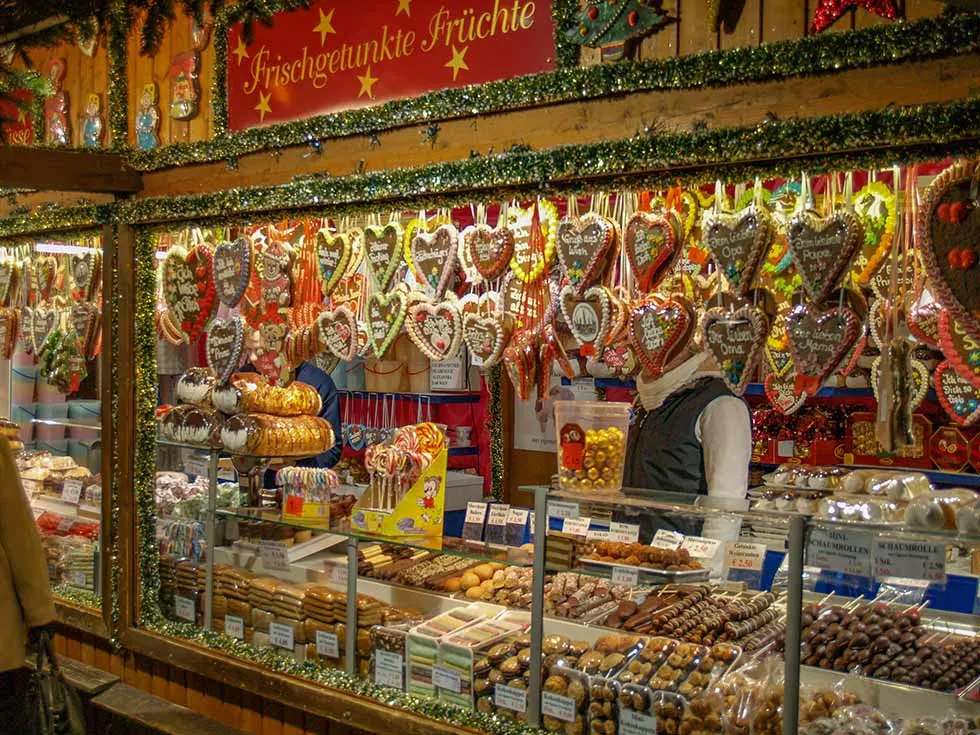
Traditional foods defines the Christmas market experience
Discover more from Elan German
Subscribe to get the latest posts sent to your email.