

German Recycling System: Complete Waste Separation Guide
Germany’s recycling system, known as the ‘Dual System’ or ‘Grüner Punkt’ (Green Dot), separates waste into multiple categories, including packaging, paper, glass, organic waste, and residual waste. With recycling rates exceeding 65%, Germany ranks among the world’s leaders in waste management. This colour-coded system requires households to sort trash into designated bins, with strict regulations and financial incentives promoting high participation rates. For newcomers, understanding this comprehensive system is essential for proper waste disposal and contributing to Germany’s environmental sustainability efforts.
📋 At a Glance: German Recycling System
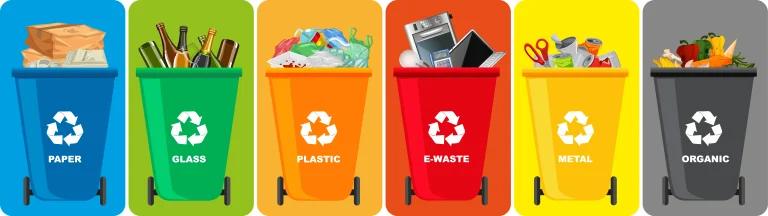
- Colour-Coded Bins: Germany uses distinct colored bins for different waste types (Yellow for packaging, Blue for paper, Brown for organic, Grey/Black for residual waste)
- Dual System: Known as “Grüner Punkt” (Green Dot), manufacturers pay for the recycling of their packaging
- Deposit Return System: “Pfand” system offers refundable deposits (8-25 cents) on beverage containers
- Glass Recycling: Separated by colour (clear, brown, green) at community collection points
- High Success Rate: Germany recycles over 65% of packaging waste, leading worldwide
The Evolution of Germany's Recycling Culture
The Bin System: Color-Coding for Efficiency
The foundation of Germany’s recycling success lies in its methodical bin system. Each household typically manages several different bins or containers, each designated for specific types of waste. Understanding what goes into each bin is essential for properly participating in the German recycling system.
Yellow Bin or Sack (Gelber Sack)
The yellow bin or sack is designated for packaging materials made of plastic, metal, or composite materials. This includes yoghurt containers, aluminium foil, milk cartons, beverage bottles, and food packaging. The “Grüner Punkt” (Green Dot) symbol on products indicates that the manufacturer has paid a fee to contribute to the recycling system for that packaging.
✓ Do’s
- Plastic bottles & bottle caps
- Yogurt containers
- Aluminum foil
- Metal food cans
- Milk and juice cartons
- Plastic bags and films
- Aerosol spray cans (empty)
- Plastic food trays
✗ Don’ts
- Electronics or appliances
- Toys
- CDs or DVDs
- Batteries
- Construction waste
- Shoes or textiles
- Diapers
- Medical packaging
Tip: Empty and rinse containers lightly before disposal. You don’t need to thoroughly wash them, but removing food residue helps with the recycling process.
Blue Bin (Papier)
The blue bin is reserved exclusively for paper and cardboard materials. This includes newspapers, magazines, paper packaging, cardboard boxes, and office paper. It’s important to ensure that the paper is clean and not contaminated with food residue before placing it in this bin.
✓ Do’s
- Newspapers and magazines
- Cardboard boxes (flattened)
- Paper bags
- Office paper
- Paperback books
- Egg cartons (paper)
- Envelopes (without plastic windows)
- Clean paper packaging
✗ Don’ts
- Tissues or paper towels
- Soiled paper
- Pizza boxes with grease
- Laminated paper
- Photo paper
- Bakery bags with plastic windows
- Wallpaper
- Waxed paper
Tip: Always flatten cardboard boxes to save space. Remove any tape, staples, or plastic elements before disposal.
Brown or Green Bin (Bio)
The brown or green bin is designated for organic waste, commonly referred to as “biowaste.” This includes food scraps, coffee grounds, eggshells, plant trimmings, and other biodegradable materials. This organic waste is processed into compost, which then returns valuable nutrients to the soil.
✓ Do’s
- Fruit and vegetable scraps
- Coffee grounds and filters
- Tea bags (without staples)
- Eggshells
- Nutshells
- Garden waste (small amounts)
- Paper towels (unsoiled)
- Wilted flowers
✗ Don’ts
- Meat or fish remains
- Dairy products
- Cooked foods
- Plastic bags (even biodegradable ones)
- Disposable diapers
- Cat litter
- Vacuum cleaner contents
- Cigarette butts
Tip: Use paper bags or newspaper to wrap your organic waste; plastic bags (even those labelled “biodegradable”) are not allowed in the bio bin.
Black or Grey Bin (Restmüll)
The black or grey bin is for residual waste—items that cannot be recycled and do not fit into any other category. This includes items like cigarette butts, hygiene products, broken household items, and heavily soiled materials. The content of this bin typically goes to incineration facilities, where it is burned to generate energy.
✓ Do’s
- Hygiene products
- Diapers
- Cigarette butts
- Vacuum cleaner bags
- Broken porcelain or ceramics
- Soiled packaging
- Non-recyclable plastics
- Pet waste
✗ Don’ts
- Recyclable materials
- Hazardous waste
- Electronic devices
- Batteries
- Energy-saving light bulbs
- Construction waste
- Medications
- Paints and chemicals
Tip: While this bin is for “everything else,” make sure you’re not incorrectly disposing of recyclables or hazardous materials here. This bin should be your last resort.
Glass Collection (Altglas)
Glass containers are typically not collected from individual households but instead must be taken to community collection points. These collection points feature separate containers for clear, brown, and green glass. The separation by colour is crucial for the recycling process, as mixing colours can compromise the quality of recycled glass products.
✓ Do’s
- Glass bottles (without deposit)
- Glass jars
- Food containers (glass)
- Sauce bottles
- Cosmetic glass containers
- Medicine bottles (empty)
- Wine bottles
- Condiment jars
✗ Don’ts
- Window glass
- Mirrors
- Light bulbs
- Ceramics or porcelain
- Crystal glasses
- Heat-resistant glass (Pyrex)
- Glass with metal attachments
- Car windshields
Tip: Remove lids and caps before disposal. Rinse containers lightly, but you don’t need to completely wash them. Deposit glass in the appropriate colour container, and never leave glass outside the collection bins.
Additional Recycling Options: Beyond the Basics
The Pfand Deposit System
One of the most distinctive features of Germany’s approach to recycling is the “Pfand” (deposit) system for beverage containers. When purchasing drinks in plastic or glass bottles or aluminium cans, consumers pay a deposit ranging from 8 to 25 cents, which is refunded when the empty container is returned to a store.
Deposit Amounts:
| Container Type | Deposit Amount |
|---|---|
| Single-use plastic bottles & cans (Einweg) | €0.25 |
| Reusable beer bottles (Mehrweg) | €0.08 |
| Reusable plastic bottles (Mehrweg) | €0.15 |
| Glass bottles with swing tops | €0.15 |
How it works: Most supermarkets feature automated return machines (Pfandautomaten) near the entrance. Simply insert your empty bottles or cans, receive a voucher showing your refund amount, and present it at checkout to have the amount deducted from your purchase or refunded in cash.
This system has proven remarkably effective, with return rates exceeding 98% for reusable bottles. The Pfand system not only encourages recycling but also promotes the use of reusable containers, further reducing waste.
Electronics Recycling (Elektroschrott)
Under the Electrical and Electronic Equipment Act (ElektroG), retailers are required to take back old electronic devices when consumers purchase new ones. Additionally, municipalities operate collection points where residents can dispose of electronic waste. This ensures that valuable materials from electronics are recovered and hazardous components are properly handled.
Where to recycle electronics:
- Electronics retailers (when purchasing a new device)
- Municipal recycling centres (Wertstoffhof)
- Special collection events in your community
- Large supermarkets (for small electronics)
What can be recycled:
- Computers, laptops, and tablets
- Mobile phones and chargers
- Televisions and monitors
- Small kitchen appliances
- Large household appliances
- Audio equipment
- Power tools
Understanding the WEEE Symbol
The crossed-out wheelie bin symbol (WEEE symbol) indicates that the item should not be disposed of with regular household waste. Products with this symbol fall under the European Union’s Waste Electrical and Electronic Equipment Directive, which aims to reduce the environmental impact of electronics by promoting proper recycling and recovery.
Data privacy tip: Before recycling devices that may contain personal data (smartphones, computers, tablets), be sure to perform a factory reset or data wipe to protect your information.
Battery Recycling (Batterieentsorgung)
Batteries contain toxic materials and valuable metals that should never be disposed of in regular household waste. Germany has established a comprehensive collection system for used batteries.
Where to recycle batteries:
- Supermarkets (collection boxes near the entrance)
- Electronics stores
- Drugstores (e.g., dm, Rossmann)
- Hardware stores
- Municipal collection centres
Types of batteries accepted:
- Disposable batteries (AA, AAA, etc.)
- Button cell batteries
- Rechargeable batteries
- Mobile phone batteries
- Laptop batteries
- Power tool batteries
Did you know? Germany collects over 45% of all batteries sold for recycling, recovering valuable metals like zinc, manganese, and lithium for reuse in new products.
Safety note: For damaged or swollen lithium batteries, place them in a non-flammable container (such as a glass jar) and bring them directly to a recycling centre — don’t put them in regular battery collection boxes.
Bulky Waste (Sperrmüll)
Large items that don’t fit in regular bins require special handling through the “Sperrmüll” (bulky waste) system. Most municipalities offer scheduled pickup services, often free of charge or for a nominal fee.
Items accepted as bulky waste:
- Furniture (chairs, tables, sofas)
- Mattresses
- Carpets
- Large plastic items
- Metal frames
- Garden furniture
Items NOT accepted:
- Construction waste
- Household appliances
- Electronic devices
- Hazardous materials
- Regular household waste
- Commercial waste
How to arrange collection: Contact your local waste management authority (check your city’s website) to schedule a pickup. Many cities require advance booking, sometimes weeks ahead. Some municipalities also offer a certain number of free collections per year.
Alternatively, most communities have recycling centres (Wertstoffhof) where you can drop off bulky items yourself if you have suitable transportation.
Hazardous Waste (Sondermüll)
Items like batteries, paints, chemicals, and medication require special disposal. Most communities offer specific collection days or permanent drop-off locations for these materials. Improper disposal of these items can lead to significant environmental damage, making these specialised collection systems crucial.
Common hazardous waste items:
- Paints and varnishes
- Oils and lubricants
- Pesticides and fertilisers
- Cleaning products
- Mercury thermometers
- Energy-saving light bulbs
- Medications
Where to dispose:
- Municipal hazardous waste collection
- Mobile collection vehicles (check local schedule)
- Pharmacies (for medications)
- Hardware stores (for paints, oils)
- Recycling centers (Wertstoffhof)
Medication disposal: Never flush medications down the toilet or drain. Return unused medications to any pharmacy (Apotheke) for proper disposal. You don’t need to return them to the pharmacy where you purchased them — any pharmacy will accept them.
Challenges and Ongoing Improvements
Benefits Beyond Environmental Protection
Quick Reference Guide: German Recycling System
Use this handy reference guide to quickly understand Germany’s recycling system. Perfect for newcomers or anyone who needs a refresher.
|
| ||||
|
| ||||
|
|
Common Recycling Symbols
♻️ Green Dot The manufacturer paid for recycling. For Yellow Bin. | ⊗ WEEE Symbol Electronic waste. Take to a special collection. | 🔃 Pfand Symbol Refundable deposit when returned. |
Recycling Fines
Improper waste disposal can result in fines of €10-€1,000. Recycling is legally required.
FAQs: German Recycling System
What makes Germany's recycling system so effective compared to other countries?
Germany’s recycling system excels due to its combination of clear regulatory frameworks, producer responsibility through the “Grüner Punkt” system, economic incentives like the Pfand deposit system, and strong public participation fostered through early education. This integrated approach has led to recycling rates exceeding 65%, with only about 1% of municipal waste ending up in landfills.
How do I identify which plastic items go in the Yellow Bin?
Look for the “Grüner Punkt” (Green Dot) symbol on packaging materials. Generally, all plastic packaging, metal containers, aluminium foil, yoghurt containers, and Tetrapaks (milk/juice cartons) should go in the Yellow Bin. Items like toys, plastic furniture, or electronics, even if made of plastic, do not belong in this bin.
What happens if I put items in the wrong bin in Germany?
Improper waste sorting can result in fines ranging from €10 to €1,000, depending on the severity and location. More commonly, waste collection services might refuse to empty incorrectly sorted bins, leaving a notice explaining the issue. Repeated violations may lead to higher fines and additional charges for proper disposal.
Are biodegradable or compostable plastic bags allowed in the organic waste bin?
No, biodegradable or compostable plastic bags are not permitted in the organic waste (Brown/Green) bin in Germany. These bags don’t decompose quickly enough for industrial composting timelines and can contaminate the compost. Use paper bags or newspapers to wrap your organic waste instead.
How does the Pfand system work for tourists and short-term visitors?
Tourists and visitors can fully participate in the Pfand deposit-return system. When purchasing bottled beverages, you’ll pay a deposit (8-25 cents per container). Return the empty bottles to any supermarket with a return machine (Pfandautomat) and receive a voucher that can be redeemed for cash or used toward purchases at the store. You don’t need to return bottles to the same store where you bought them.
What should I do with hazardous waste items like paint, batteries, and medications?
Hazardous waste requires special handling. Batteries can be returned to collection boxes found in supermarkets and electronics stores. Medications should be returned to any pharmacy (Apotheke). Paints, chemicals, and other hazardous materials can be brought to municipal collection points (Wertstoffhof) or special hazardous waste collection events announced by your city.
How do I dispose of large items like furniture or appliances?
Large items fall under “Sperrmüll” (bulky waste) and cannot go in regular bins. Contact your local waste management authority to schedule a pickup, which may be free or require a small fee. Alternatively, you can transport these items yourself to a recycling centre (Wertstoffhof). For electronic appliances, retailers must take back old devices when you purchase a new one.
Is it necessary to clean containers before recycling them in Germany?
Containers don’t need to be spotlessly clean, but they should be reasonably empty of food residue. A quick rinse is sufficient for most items. For paper and cardboard recycling, it’s more important to ensure items are not contaminated with food, as this can render the material unrecyclable. Glass containers need only be emptied, not washed.
Discover more from Elan German
Subscribe to get the latest posts sent to your email.