
Brothers Grimm Fairy Tales History Explained
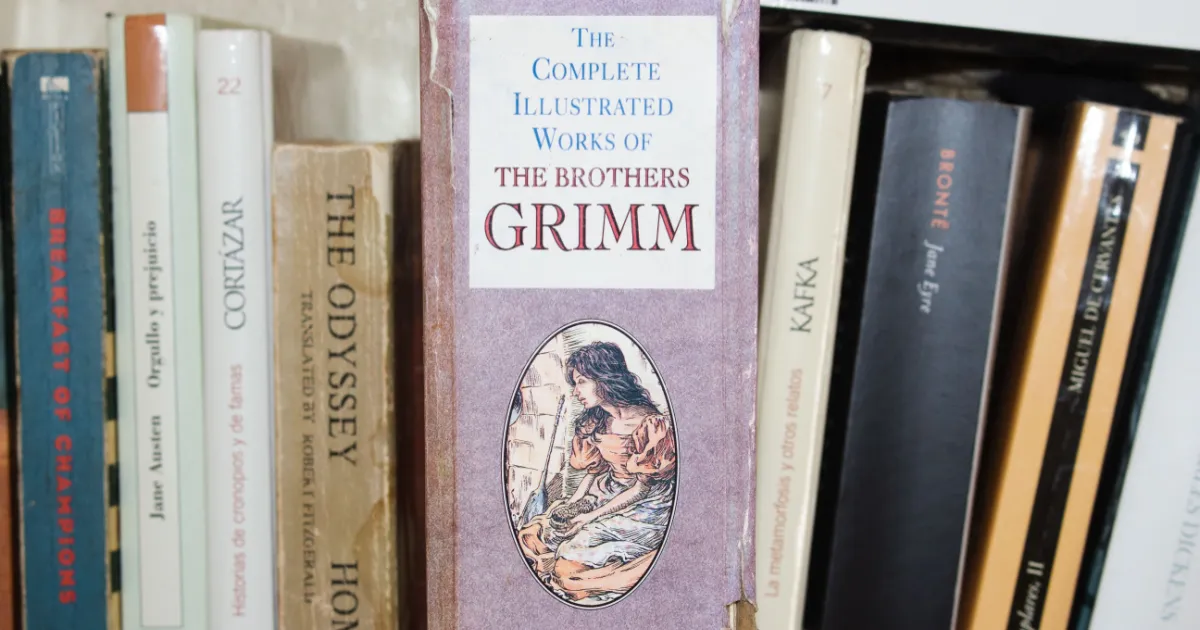
Brothers Grimm fairy tales history begins not with children's stories at all, but with two serious minded scholars trying to preserve German culture during a period of political upheaval. Jacob and Wilhelm Grimm were librarians, linguists, and academics in the early 1800s who set out to collect oral folk tales passed down through generations before those tales disappeared for good. Their collection, first published in 1812 as Children and Household Tales, eventually included stories now known worldwide, among them Cinderella, Snow White, Hansel and Gretel, and Rapunzel. The versions they recorded were often far darker and stranger than the tales told today, shaped by harsh rural life and centuries of oral retelling rather than any intention to entertain children specifically. More than two centuries later, this collection remains one of the most translated and adapted works in the world, and it still shapes how Germany presents its own folklore and cultural identity to visitors and locals alike.
Brothers Grimm Fairy Tales History: Two Scholars, Not Storytellers
Jacob and Wilhelm Grimm, born a year apart in the mid 1780s in the town of Hanau, were not novelists or professional writers. This brothers grimm biography starts instead in law school, where both brothers studied before turning to linguistics, history, and folklore. Working as librarians and later as university professors, they were part of a broader movement of German scholars trying to document a shared national culture and language at a time when Germany was not yet a unified country, but a patchwork of kingdoms and principalities under pressure from Napoleonic France.
Jacob and Wilhelm Grimm approached folklore the way other scholars of their era approached ancient texts, treating oral stories as a kind of living historical record worth preserving before industrialization and urban migration wiped them out. Rather than inventing tales, they collected them from a wide range of sources, including friends, neighbors, and educated women from their own social circle who remembered stories from their own childhoods. One contributor, a tailor's wife named Dorothea Viehmann, alone supplied dozens of tales that made it into the final collection, and her name appears repeatedly in accounts of this grimm fairy tales origin story. Wilhelm's own wife, Dorothea Wild, and several of her family members were also among the storytellers the brothers relied on, meaning much of what became a defining piece of German culture came directly from the women in their own household and social circle rather than from distant, anonymous peasants, a detail popular retellings of the collection often leave out.
The political backdrop mattered just as much as the personal one. Napoleon's armies had occupied and reorganized much of the German speaking world in the early 1800s, dissolving the old Holy Roman Empire and leaving many educated Germans searching for something to anchor a shared national identity that did not yet exist as a single political state. Folk tales, along with language and shared history, became a way for scholars like the Grimms to argue that a distinct German people and culture existed even without a unified German nation, a motivation that shaped why they treated humble oral stories with the same seriousness other academics reserved for classical texts.
The brothers grimm childrens and household tales collection, first published in 1812 with a second volume following in 1815, was not originally aimed at children at all. Early editions included extensive scholarly footnotes and left in violence, cruelty, and sexual undertones that later editors considered unsuitable for a young audience. Over several subsequent editions published across the following decades, Wilhelm in particular reworked the language repeatedly, softening some of the more brutal content, adding Christian moral framing, and polishing the prose into the more familiar fairy tale voice readers recognize today. Scholars studying grimm fairy tales dark original versions still compare early manuscripts against later editions to see exactly how much the stories changed under editorial pressure.
Beyond folklore, the brothers also made lasting contributions to the study of language itself. Jacob Grimm is credited with identifying a set of systematic sound shifts between Germanic and other Indo European languages, a discovery still taught in linguistics courses today. Their scholarly reputation, built on serious academic work rather than children's entertainment, is part of why this German folk tales history carries more cultural weight in Germany than a simple collection of bedtime stories might otherwise suggest.
Brothers Grimm Fairy Tales History: A Timeline of the Collection
This timeline traces the collection from its earliest research through to its lasting place in modern culture, showing how gradual and scholarly the whole project really was.
| Year | What Happened |
|---|---|
| 1785 to 1786 | Jacob and Wilhelm Grimm are born in Hanau, in the region now part of the German state of Hesse |
| 1806 to 1810 | The brothers begin systematically collecting oral folk tales from local storytellers and written sources |
| 1812 | The first volume of Children and Household Tales is published, containing around eighty six stories |
| 1815 | A second volume follows, expanding the collection significantly |
| 1819 to 1857 | Several revised editions appear, with Wilhelm reworking the language and tone for a broader readership |
| 1859 | Wilhelm Grimm dies, having spent decades refining the collection's final form |
| 1863 | Jacob Grimm dies, continuing scholarly linguistic work until the end of his life |
| 2005 | The original manuscripts are added to the UNESCO Memory of the World register, recognizing their global cultural significance |
Famous Grimm Brothers Fairy Tales and Their Legacy in Germany Today
Cinderella
The Cinderella Brothers Grimm version is notably darker than most modern retellings, with the stepsisters mutilating their own feet to fit the shoe and birds later pecking out their eyes as punishment, a far cry from the gentler tone of later adaptations.
Hansel and Gretel
The Hansel and Gretel origin reflects real historical famine and hardship in rural Germany, where abandoning children during periods of extreme scarcity was a documented, if devastating, occurrence the tale seems to echo.
Snow White
Snow White Brothers Grimm includes a jealous queen ordering a huntsman to bring back the girl's lungs and liver as proof of her death, a detail almost always removed from modern children's versions of the story.
Rapunzel and Rumpelstiltskin
Both stories carry darker original endings involving genuine cruelty and self harm, later softened considerably, yet both remain instantly recognizable worldwide as part of the broader german fairy tale tradition.
Little Red Riding Hood
In the Grimm version, a huntsman cuts open the wolf to rescue the grandmother and girl alive, a somewhat gentler resolution than earlier French tellings of the same story, showing how the brothers sometimes softened material even in their earliest editions.
The Frog Prince
Often assumed to end with a gentle kiss, the earliest Grimm version instead has the princess throw the frog against a wall in frustration, at which point he transforms into a prince, a far less romantic mechanism than most modern retellings suggest.
Brothers Grimm legacy Germany extends well beyond the page. The Deutsche Märchenstraße, or German Fairy Tale Route, stretches roughly six hundred kilometers between Hanau, the brothers' birthplace, and Bremen, linking towns and castles associated with specific stories, including Sababurg castle, popularly nicknamed Sleeping Beauty's castle. For travelers interested in the wider landscape of German history and heritage sites, our guide to must visit German castles covers several stops along this same route. The brothers' linguistic work also connects to the deeper story of how German developed as a language, a subject explored further in our piece on unusual German words and their origins.
The grimm brothers museum germany maintains today, particularly in Kassel where the brothers lived and worked for many years, preserves original manuscripts, letters, and early editions for scholars and casual visitors alike. Meanwhile, the wider brothers grimm folklore collection continues to shape global entertainment, having inspired countless films, operas, ballets, and theme park attractions well beyond Germany's own borders, cementing the tales as one of the country's most recognizable cultural exports alongside its language and history.
Walt Disney's early animated features, most famously Snow White and the Seven Dwarfs in 1937, introduced simplified, softened versions of these stories to a global audience that had never read the original German texts, and for many people outside Germany, those adaptations effectively replaced the source material in popular memory. This has created an interesting tension inside Germany itself, where cultural institutions and scholars have worked to reintroduce the darker, more complex original versions to a public more familiar with the gentler international adaptations. Local towns along the fairy tale route lean into this contrast deliberately, offering walking tours and seasonal festivals that present both the sanitized modern versions tourists expect and the older, stranger tales the brothers actually wrote down.
Related Reading
Official Sources To Confirm
Museum hours, exhibitions, and travel route details change over time, so confirm current information directly with these official sources.
FAQ: Brothers Grimm Fairy Tales History Explained
Who were the Brothers Grimm?
Did the Brothers Grimm write the fairy tales themselves?
Were the original Grimm fairy tales darker than the versions people know today?
What was the first Brothers Grimm collection called?
What is the German Fairy Tale Route?
Did the Brothers Grimm do anything besides collect fairy tales?
Where can you learn more about the Brothers Grimm today?
Why do Brothers Grimm fairy tales still matter in Germany today?
They remain one of the country’s most recognized cultural exports, shaping global storytelling while still anchoring local tourism, museums, and festivals around German folklore.
Discover more from Elan German
Subscribe to get the latest posts sent to your email.