
What life in Germany is really like
Life in Germany runs on routines that can feel strange at first: quiet Sundays, strict recycling, cash at the bakery and very direct conversations. Our lifestyle guides explain these habits so you know what to expect before you arrive.
Read about German food, festivals, etiquette and everyday rules, written from our own experience of living in Germany. If you are preparing to move, our relocation guides cover visas, housing and paperwork.
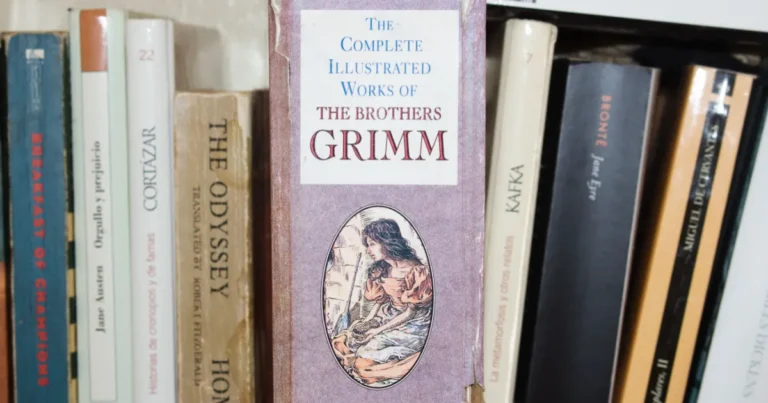
Brothers Grimm Fairy Tales History Explained
Brothers Grimm fairy tales history begins not with children’s stories at all, but with two serious minded scholars…

East West Germany Reunification: How It Actually Happened
Anyone new to East West Germany reunification should start here: formal reunification took place on October 3, 1990,…

The Weimar Republic Explained: Germany Between the Wars
Here is the Weimar Republic explained in brief: it was Germany’s government from 1919 to 1933, a defining…
Brothers Grimm Fairy Tales History Explained
Brothers Grimm fairy tales history begins not with children’s stories at all, but with two serious minded scholars…
East West Germany Reunification: How It Actually Happened
Anyone new to East West Germany reunification should start here: formal reunification took place on October 3, 1990,…
The Weimar Republic Explained: Germany Between the Wars
Here is the Weimar Republic explained in brief: it was Germany’s government from 1919 to 1933, a defining…

Life in East Germany DDR: What It Was Really Like
So, what was East Germany like day to day? Life in East Germany DDR, formally the German Democratic…
A practical guide to life in Germany

Life in Germany rewards people who know the unwritten rules. Shops close on Sundays, quiet hours are taken seriously, and recycling has its own logic. None of it is hard once someone explains it, and that is what this section is for.
Everyday rules worth knowing
- Sundays in Germany: What’s Open, Closed, & What Can We Do: what is open and what to do
- German Recycling System: Complete Waste Separation Guide: bins and the Pfand deposit
- 30 Weird Laws in Germany That Will Genuinely Surprise You: rules that surprise newcomers
- Tipping in Germany: How locals tip?: how much to tip and when
Food, culture and people
- Traditional German Food: Authentic Flavors & Specialties: dishes worth trying
- German Social Etiquettes for Easy Integration: customs that help you fit in
- German Festivals Calendar: What to Celebrate When: celebrations through the year
Life in Germany is easier when you speak some German. Even A1 level helps at the bakery, the Bürgeramt and with neighbours. Try the free A1 mock test to see where you stand. For official information on living here, the Make it in Germany portal is a good reference.
Our life in Germany guides come from our own experience of living here, not from tourist brochures. We update them when rules change, for example shop hours or the Deutschlandticket price, and we explain each custom with the reason behind it. That makes it easier to remember and less likely to feel strange. If something in a guide no longer matches what you see, tell us and we will check it.
Living in Germany as a newcomer gets easier month by month. Most people say the first winter is the hardest, with short days and new routines. By spring, the bakery orders, train tickets and Sunday walks start to feel normal. Our guides aim to shorten that adjustment period.
Frequently asked questions
Is life in Germany expensive?
It depends on the city. Munich and Frankfurt cost more, while Leipzig or Dresden are much cheaper. Rent is usually the biggest expense.
Do I need to speak German to live in Germany?
In big cities you can manage with English at first, but offices, landlords and doctors often work in German. Basic German makes daily life far easier.
Why are shops closed on Sundays in Germany?
Sunday rest (Sonntagsruhe) is protected by law. Bakeries, petrol stations and shops in train stations are among the few exceptions.
What surprises newcomers most about life in Germany?
Directness, punctuality, cash payments and the recycling system top most lists. After a few months they usually feel normal.
Is healthcare good in Germany?
Yes. Health insurance is mandatory and covers doctor visits, hospital care and most medicines. Students and workers pay monthly contributions.
How do Germans spend their weekends?
Many spend Saturdays shopping and running errands, and Sundays walking, cycling, visiting family or going to museums, since shops are closed.
What is the work culture like in Germany?
Clear structure, punctual meetings and a firm line between work and private time. Overtime is less common than in many countries.
Is Germany a good place for Indian families?
Many Indian families find Germany safe, well organised and good for children, with free public schools and strong healthcare. Learning some German helps a lot with school, neighbours and paperwork.