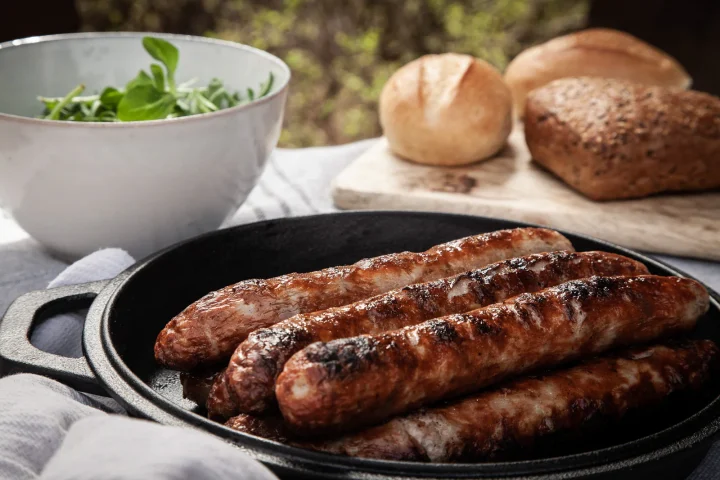

Traditional German Food

Traditional German Food: Authentic Flavors & Specialties

Traditional German food encompasses a rich array of authentic dishes that extend far beyond sausages and beer. From hearty Bavarian specialities like Schweinshaxe (crispy pork knuckle) and Sauerbraten (pot roast), to beloved classics such as Schnitzel, Spätzle, and Black Forest cake, Germany’s culinary landscape features diverse regional flavours and time-honoured recipes passed through generations. This guide explores the most beloved traditional German food specialities, their cultural significance, and the unique ingredients that make German cuisine a treasure worth discovering.

Table of Contents

Traditional German Food: The Foundations

Traditional German cuisine balances heartiness with flavor, combining simple ingredients into satisfying meals. The foundations of German food culture include:

  • Meat-centered dishes: Pork, beef, and game meats feature prominently
  • Bread varieties: With over 300 types, bread is central to daily eating
  • Seasonal produce: Germans emphasize using ingredients at their peak
  • Regional distinctions: Each area has developed its own culinary identity
  • Preservation techniques: From smoking to fermenting, these methods create distinctive flavors
What is typical German food? It’s a cuisine that prioritizes substance, tradition, and craftsmanship, with dishes that reflect Germany’s agricultural heritage and regional diversity.

Regional Treasures: Famous German Dishes Across the Country

🍺 Bavaria (Southern Germany)
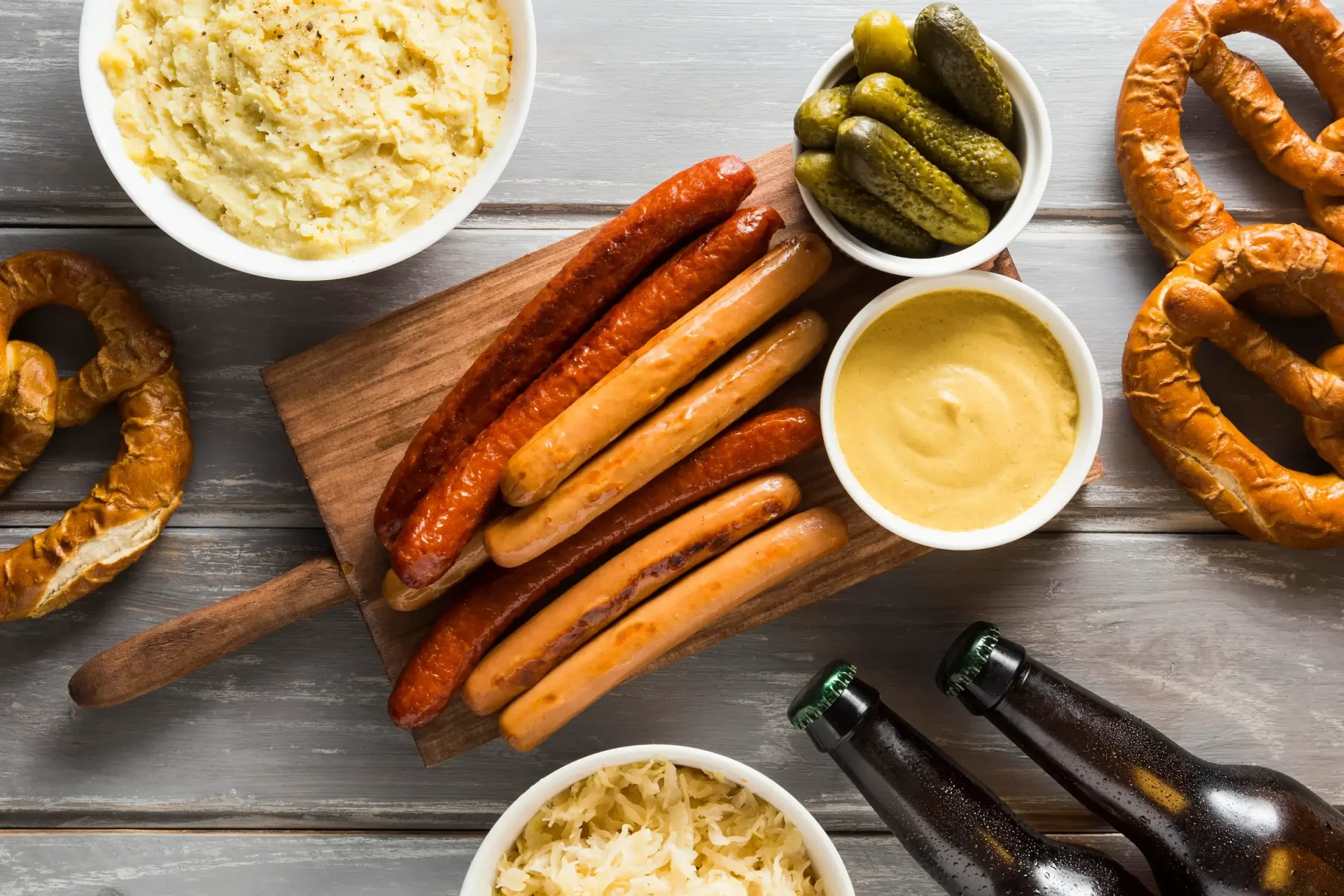
Bavarian food platter with beer
Weisswurst
White veal sausage traditionally eaten before noon
Schweinebraten
Roast pork with crackling skin
Brezeln
Soft pretzels with a dark, salt-crusted exterior
Obatzda
Savory cheese spread with beer and spices
🍝 Baden-Württemberg (Southwest)
Traditional Swabian food
Spätzle
Egg noodles often served with cheese or as a side
Maultaschen
German “ravioli” filled with meat and spinach
Schwarzwälder Kirschtorte
Black Forest cake with chocolate, cherries, and cream
🍲 Rhineland (Western Germany)
Rhineland traditional dishes
Sauerbraten
Pot roast marinated in a vinegar mixture
Himmel und Erde
“Heaven and Earth” – potatoes and apples with blood sausage
Rheinischer Döppekooche
Potato casserole with bacon and onions
🐟 Northern Germany
Northern German seafood dishes
Labskaus
Sailor’s dish with corned beef, potatoes, and beets
Grünkohl mit Pinkel
Kale with smoked sausage
Fischbrötchen
Fish sandwiches featuring herring or other North Sea catch
🍖 Eastern Germany
Eastern German traditional cuisine
Königsberger Klopse
Meatballs in white sauce with capers
Soljanka
Spicy soup with mixed meats
Thüringer Rostbratwurst
Distinctive grilled sausage from Thuringia
German Seasons

Seasonal Specialties: German Food Throughout the Year

🌱 Spring (Frühling)
Spargel mit Sauce Hollandaise
White asparagus with hollandaise sauce, potatoes, and ham
Bärlauchsuppe
Wild garlic soup with foraged leaves
Rhabarber Streuselkuchen
Rhubarb streusel cake with sweet crumble topping

☀️ Summer (Sommer)
Pfifferlinge mit Semmelknödel
Chanterelle mushrooms with bread dumplings
Hechtklößchen
Pike dumplings in white wine sauce
Erdbeer-Bowle
Chilled strawberry punch with wine and berries

🍂 Autumn (Herbst)
Zwiebelkuchen mit Federweisser
Savoury onion tart with young wine
Hirschgulasch mit Spätzle
Venison goulash with handmade egg noodles
Kürbis-Apfel Suppe
Pumpkin-apple soup with roasted seeds

❄️ Winter (Winter)
Gänsebraten mit Klößen
Roast goose with potato dumplings
Grünkohl mit Pinkel
Kale stew with smoked sausage
Christstollen
Dresden’s Christmas bread with fruits and marzipan

Must-Try German Classics: Never-Miss Experiences

For those exploring typical German dishes for the first time, these classics represent the essential experiences:
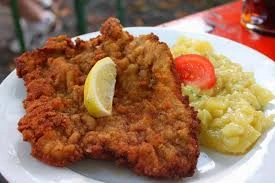
🍽️ Must-Try Main Dishes
German Schnitzel
  • Schnitzel
    Breaded and fried meat cutlet, usually pork in Germany
  • Rouladen
    Beef rolls stuffed with bacon, onion, and pickles
  • Sauerbraten
    The national dish of marinated pot roast
  • Schweinshaxe
    Crispy roasted pork knuckle, especially in Bavaria
🌭 Essential Sausages
German Sausages
  • Bratwurst
    The quintessential German sausage
  • Currywurst
    Berlin’s fast-food innovation with curry-spiced ketchup
  • Weisswurst
    Bavarian breakfast sausage with sweet mustard
  • Thüringer
    Distinguished specialty from Thuringia with marjoram
  • Blutwurst
    Traditional blood sausage often paired with liver sausage
🥗 Don’t-Miss Sides
German Side Dishes
  • Sauerkraut
    Fermented cabbage that complements rich meats
  • Kartoffelsalat
    German potato salad in its regional variations
  • Spätzle
    Egg noodles that pair with nearly everything
  • Rotkohl
    Sweet-sour red cabbage spiced with apple and cloves
  • Knödel
    Bread or potato dumplings for soaking up gravies

🍰 Unforgettable Sweets
German Desserts
  • Apfelstrudel
    Apple-filled pastry with vanilla sauce
  • Schwarzwälder Kirschtorte
    The famous Black Forest cake
  • Berliner
    Jelly-filled doughnuts
  • Bienenstich
    “Bee sting” cake topped with honey-glazed almonds
  • Rote Grütze
    Red berry compote served with cream or custard

Traditional German meal table

The Daily Rhythm of German Eating

Understanding common German food means understanding when and how Germans eat

🥐 Breakfast (Frühstück)

7:00 – 9:00 AM

Featuring bread, cold cuts, cheese, and boiled eggs. Germans often enjoy a leisurely breakfast, especially on weekends when it may become an extended “Brötchen” experience with fresh rolls.

🍲 Lunch (Mittagessen)

12:00 – 2:00 PM

Traditionally, the largest meal with warm, substantial food. Many Germans still return home for lunch or enjoy a hot meal at workplace cafeterias, maintaining the tradition of a proper midday meal.

☕ Coffee Time (Kaffee und Kuchen)

3:00 – 5:00 PM

Afternoon break with cake and coffee. This cherished tradition is similar to British tea time and provides a sweet pause to the day, often featuring homemade or bakery-fresh cakes.

🥪 Dinner (Abendessen)

6:00 – 8:00 PM

Often simpler, featuring bread, cheese, and cold cuts. Known as “Abendbrot” (evening bread), this lighter meal balances the day’s eating pattern and is usually enjoyed at home with family.

💡 Did You Know?

In Germany, it’s considered impolite to begin eating before everyone is served and someone says “Guten Appetit” (enjoy your meal). This social custom reflects the importance Germans place on shared mealtime experiences.

✨ Traveler’s Tip

If you’re visiting Germany, plan your dining schedule accordingly! Many restaurants close between lunch and dinner (2PM-5PM), and finding a full meal during this time can be challenging outside major tourist areas.

Modern German cuisine

Beyond the Classics: Modern German Cuisine

While honoring tradition, German cuisine continues to evolve

🌍 Fusion Influences

Immigration has introduced new flavors to traditional recipes. Turkish-German döner kebabs are now more popular than traditional bratwurst in some cities, while Vietnamese, Middle Eastern and Asian flavors regularly appear in modern German kitchens.

🍽️ Lighter Interpretations

Classic dishes reimagined with contemporary techniques. Modern German chefs are creating lighter versions of traditional fare, using less fat and incorporating more fresh herbs and vegetables while maintaining authentic flavors.

🌱 Focus on Sustainability

There is a growing emphasis on local, seasonal ingredients. Germany has become a European leader in organic farming, with “Bio” (organic) products widely available and farm-to-table restaurants gaining popularity in both rural and urban areas.

🚶 Street Food Revolution

Traditional German food appearing in casual formats. Food halls like Berlin’s Markthalle Neun showcase both traditional German specialties and international cuisines, creating a dynamic street food culture.

💡 Did You Know?

Germany has the third-highest number of Michelin-starred restaurants in Europe, with over 300 establishments recognized for exceptional cuisine. Berlin alone has more starred restaurants than many European capitals, showcasing the sophisticated evolution of German cuisine.

✨ Foodie Tip

To experience the cutting edge of German cuisine, look for restaurants describing themselves as “Neue Deutsche Küche” (New German Cuisine). These establishments focus on reinventing traditional dishes with modern techniques and high-quality regional ingredients.
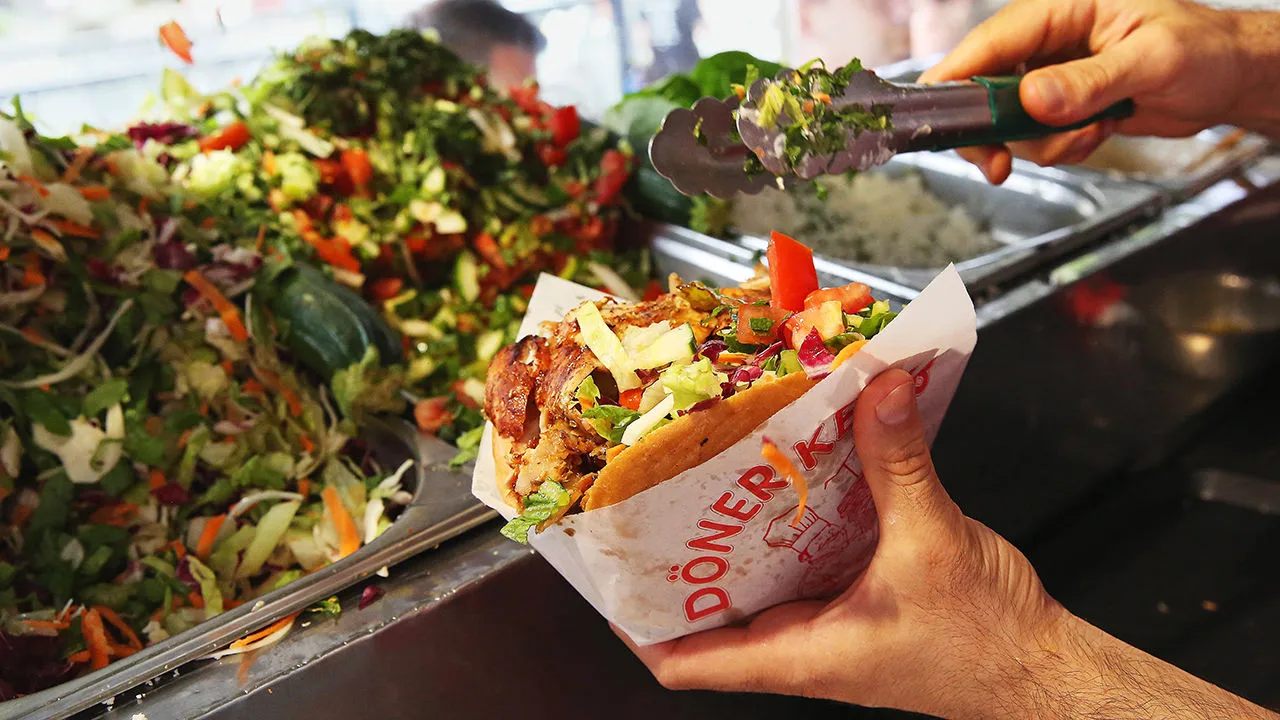
German food culture

Experience German Food Culture as an International

For internationals seeking authentic experiences beyond restaurants


🛒 Visit Food Markets

Local Wochenmärkte (weekly markets) showcase regional specialities directly from producers. Explore vibrant farmers’ markets like Hamburg’s Isemarkt or Munich’s Viktualienmarkt, where you can sample local delicacies and fresh produce while interacting with vendors.


🎪 Attend Food Festivals

From asparagus festivals to wine celebrations, Germany’s food calendar is packed with seasonal events. Don’t miss the White Asparagus Festival (Spargelfest) in spring, various wine festivals along the Rhine and Mosel in autumn, and Oktoberfest in Munich.


🥨 Explore Bakeries

Sample the vast array of bread and pastry traditions found in local bakeries. Germany boasts over 3,000 officially recognised types of bread, from dense rye loaves to pretzel variations. Visit a traditional Konditorei for elaborate cakes and regional specialities.


🍽️ Seek Out Family Restaurants

For the most authentic traditional German meal experiences, look for family-owned Gasthäuser or Wirtshäuser away from tourist centres. These establishments often serve recipes passed down through generations and feature regional specialities.

💡 Cultural Insight

Germans take their food provenance seriously, with many regions having protected geographical status for their specialities. Look for “g.g.A.” or “g.U.” labels, which ensure you’re getting authentic regional products made according to traditional methods.

The Heart of German Cuisine

What makes traditional German food special is not just its flavors but its role in cultural identity. These dishes tell stories of regional pride, seasonal rhythms, and family traditions. For internationals in Germany, understanding these food customs offers valuable insights into German society and values.

Whether enjoying a hearty Bavarian feast, sampling Christmas market treats, or sitting down to a simple Abendbrot, experiencing German cuisine means participating in traditions that have shaped German culture for generations.

FAQs: Traditional German Food

Bratwurst is arguably the most internationally recognized German food item, but within Germany, regional specialties like Schnitzel, Sauerbraten, and Spätzle are equally beloved. The popularity varies significantly by region, with Bavarians preferring their Weisswurst and northern Germans favoring seafood dishes.

While traditional German cuisine does feature many hearty, meat-centered dishes, there’s significant variety. Many typical German meals include lighter options like fresh salads, fish dishes in coastal areas, and vegetable-based sides. Modern German cuisine has also embraced lighter cooking methods and more plant-based options while respecting traditional techniques.

Daily German eating often involves more straightforward fare than restaurant specialties. Typical German meals include:

  • Breakfast: Bread rolls with cold cuts and cheese
  • Lunch: Eintopf (one-pot stews), simple meat dishes with potatoes
  • Dinner (Abendbrot): Open-faced sandwiches with bread, cheese, and cold cuts
  • Quick meals: Currywurst, Döner Kebab (Turkish-German fusion), and Flammkuchen (German-style flatbread)

The most traditional German Christmas cookies include:

  • Lebkuchen (spiced gingerbread cookies)
  • Zimtsterne (cinnamon stars)
  • Vanillekipferl (vanilla crescent cookies)
  • Spekulatius (spiced shortbread)
  • Pfeffernüsse (pepper nuts)
  • Springerle (anise cookies with embossed designs)

These cookies are typically prepared during the Advent season and are central to German Christmas traditions.

Vegetarians can enjoy these traditional German food options:

  • Käsespätzle (egg noodles with melted cheese)
  • Kartoffelpuffer (potato pancakes) with applesauce
  • Knödel (dumplings) in vegetable broth
  • Flammkuchen with vegetable toppings
  • Obatzda (Bavarian cheese spread)
  • Various bread varieties with vegetarian spreads
  • Seasonal vegetable dishes like Spargelgerichte (white asparagus dishes)

German beverages that complement traditional meals include:

  • Beer (varieties differ by region and pair with specific dishes)
  • Wine (especially in regions like Mosel, Rheingau, and Baden)
  • Apfelschorle (apple juice mixed with sparkling water)
  • Schorle (wine mixed with sparkling water)
  • Glühwein (mulled wine, during winter)
  • Coffee (especially during afternoon Kaffee und Kuchen)

For special occasions, Germans often serve:

  • Festive roasts like Gänsebraten (roast goose) for Christmas
  • Rouladen for Sunday family gatherings
  • Sauerbraten for important celebrations
  • Multi-course meals ending with elaborate tortes and cakes
  • Regional specialties depending on the area and celebration

Immigration has significantly enriched German cuisine:

  • Turkish influences created the popular Döner Kebab
  • Italian immigration introduced pizza and pasta variations
  • Asian influences have created fusion dishes
  • Middle Eastern flavors have been incorporated into contemporary German cooking

Many of these influences have become so integrated that they’re now considered part of modern German food culture.

First-time visitors should prioritize trying:

  • Schnitzel (preferably in a traditional restaurant)
  • Bratwurst (from a street vendor or beer garden)
  • Regional specialties like Bavarian Weisswurst or Hamburg’s Labskaus
  • Proper German bread from a traditional bakery
  • Schwarzwälder Kirschtorte or other classic desserts
  • Seasonal specialties if visiting during a festival or holiday

For authentic German cuisine experiences:

  • Family-owned Gasthäuser (taverns) and Wirtshäuser (inns)
  • Regional restaurants specializing in local cuisine
  • Seasonal markets and food festivals
  • Small towns rather than tourist centers
  • Places where locals eat (look for menus only in German)
  • Food markets (Wochenmärkte) for fresh ingredients
  • Home-cooked meals if you have German friends or hosts

Discover more from Elan German

Subscribe to get the latest posts sent to your email.

Free Download

📘 A1 & Beyond Study Book

Real-Life German for Beginners

Complete grammar, vocabulary & exercises, built for actual use, not just exams. Free PDF, straight to your inbox.

Get the Free Book →

No cost. No spam. Instant delivery.

Elan German

Master German with Confidence

Liked what we do? Support us via PayPal or UPI. Every bit helps! 🙏

Elan German

Privacy Overview

This website uses cookies so that we can provide you with the best user experience possible. Cookie information is stored in your browser and performs functions such as recognising you when you return to our website and helping our team to understand which sections of the website you find most interesting and useful. Check out our Privacy Policy page for more information.