

Berlin Wall History Explained: Rise, Fall, and Legacy
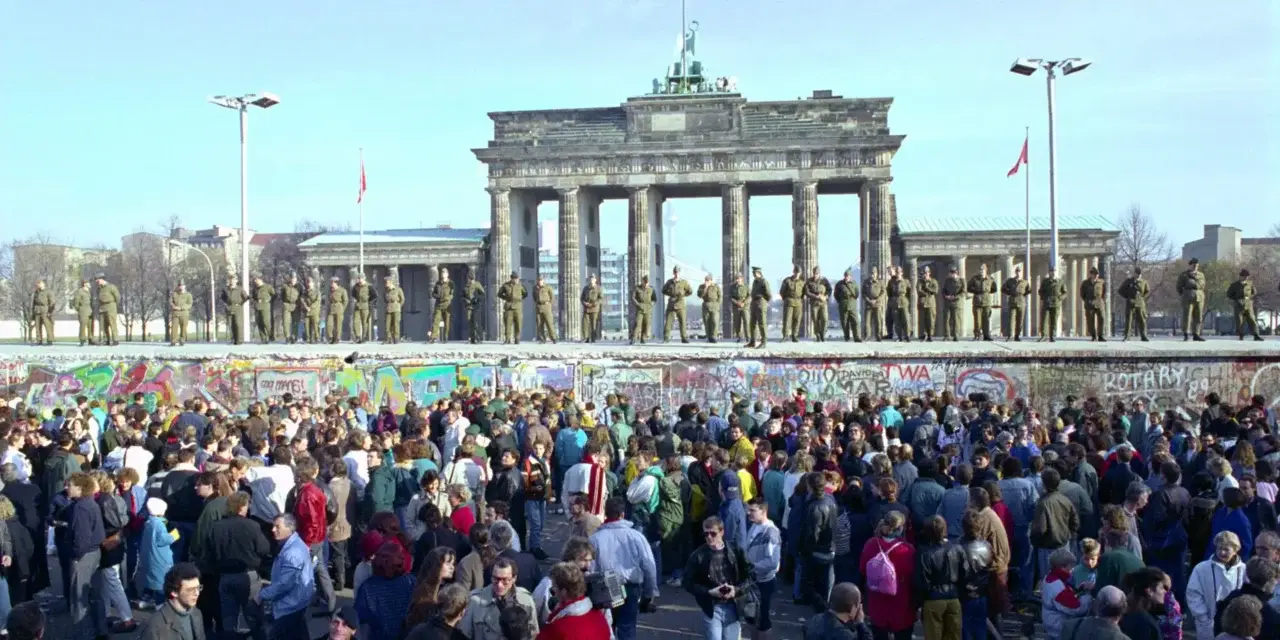
Here is Berlin Wall history explained simply: East Germany built the Berlin Wall overnight on August 13, 1961, to stop the flow of citizens fleeing to the West. It stood for 28 years, splitting families, friends, and a single city into two political worlds. The Wall fell on November 9, 1989, after weeks of mass protests and a famously confused press conference that announced open borders sooner than officials intended. Germany formally reunified less than a year later. Today, the divide still surfaces quietly in economic gaps between former East and West regions and in Berlin's own cultural identity. At its longest, the full barrier system ran about 155 kilometers around West Berlin, cutting through streets, canals, and even cemeteries. This page walks through the full timeline, life along the divide, and exactly how the Wall's legacy still shows up in the city decades later.
Berlin Wall History Explained: Built Overnight, Reinforced for Decades
By the early 1960s, roughly 3.5 million East Germans had crossed into the West, many of them young, skilled workers the East German government desperately needed to keep. On the night of August 13, 1961, soldiers and construction crews sealed the border between East and West Berlin with barbed wire, marking the start of Berlin Wall construction 1961, and the barbed wire was later replaced with concrete. Berliners woke up to find streets, subway lines, and even family homes suddenly split by an international border that hadn't existed the day before.
Over the following decades, the barrier grew into a heavily guarded system with watchtowers, a death strip, and armed patrols. The final version, sometimes called the fourth generation wall, used prefabricated concrete slabs roughly 3.6 meters tall topped with a smooth pipe so climbers could not grip it. Around 300 watchtowers overlooked the death strip, a raked sand corridor where footprints showed instantly and guard dogs ran on long chains between fence lines. Officially it was called the Antifascist Protection Wall, though its real purpose was keeping people in, not enemies out. Estimates suggest at least 140 people died attempting to cross it over the years it stood, and thousands more were arrested or turned back before reaching the western side.
Some of the earliest and most painful moments happened along Bernauer Strasse, where apartment buildings sat directly on the border line. Residents jumped from upper floor windows into nets held by West Berlin firefighters before authorities bricked up every opening along the street. Ida Siekmann became one of the first people to die attempting an escape there in 1961, and Peter Fechter's death near the Friedrichstrasse crossing in 1962, in full view of Western cameras, hardened international opinion against the regime. That crossing point later became known worldwide through Checkpoint Charlie history, the tense standoff between American and Soviet tanks in October 1961 after a dispute over document checks for diplomats entering the Soviet sector.
Life along the divide varied enormously depending on which side of a given street you lived on. Some apartment buildings had their front doors on one side of the border and back windows facing the other, and authorities bricked up ground floor windows and doors along entire blocks to prevent escape attempts. Families separated overnight sometimes went years without seeing each other, communicating only through letters that were often monitored or delayed by East German authorities. This human side, as much as the concrete and watchtowers, is central to Berlin Wall history explained beyond dates and politics.
The roots of this division reach further back than 1961. Germany's fractured postwar politics, and the deeper instability that had already split the country's institutions during the Weimar Republic decades earlier, set the stage for a country the victorious powers were willing to carve into occupation zones after 1945. Cold war Germany Berlin tensions between the Soviet Union and the Western allies turned that temporary arrangement into a permanent political border within a single city.
Key Dates in the Berlin Wall Timeline
Soviet forces blockade all road and rail access to West Berlin. Western allies respond with the Berlin Airlift, flying in food and coal for nearly a year, an early sign of the east west Germany divide that would harden over the next decade.
The Wall goes up overnight on August 13, dividing East and West Berlin without warning, cutting subway lines and separating neighbors who had lived across the street from each other for years.
In October, American and Soviet tanks face off just meters apart at Checkpoint Charlie, part of the wider Checkpoint Charlie history that made the crossing a symbol of cold war Germany Berlin tension.
President Kennedy visits West Berlin and delivers his Ich bin ein Berliner speech to hundreds of thousands of residents, a symbolic show of Western support for the isolated western half of the city.
Escape attempts continue despite the risks, some through tunnels dug under the death strip, others using hot air balloons, homemade zip lines, or hidden compartments in vehicles crossing at official checkpoints.
Growing protests in East Germany, alongside reforms in the Soviet Union under Mikhail Gorbachev and rising tension across cold war Germany Berlin relations, weaken the East German government's grip on its own population.
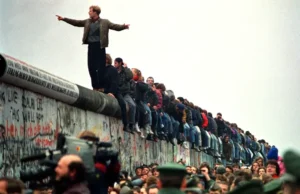
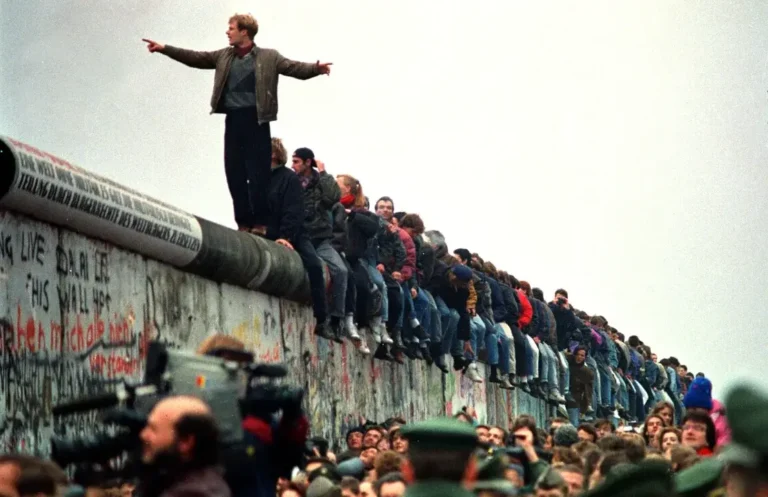
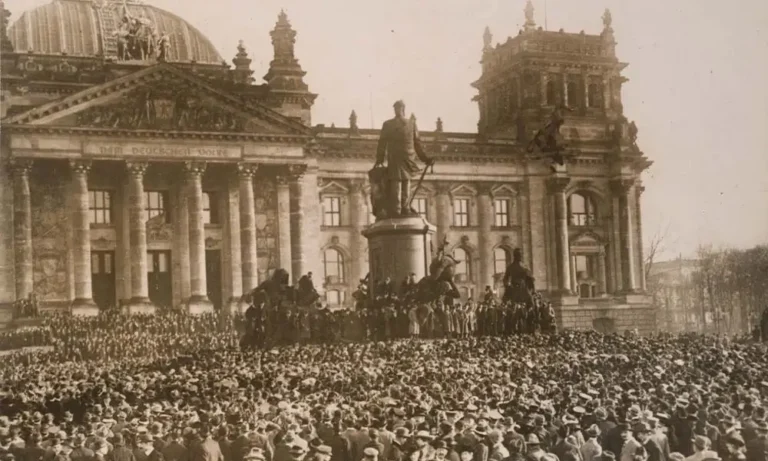
On November 9, an East German official mistakenly announces border crossings are open immediately, and crowds tear down sections of the Wall that same night, an event now remembered simply as the Berlin Wall fall 1989.
Germany formally reunifies on October 3, a process explored fully in our piece on German reunification and the east west divide, now celebrated annually as German Unity Day.
Berlin Wall Legacy Today: The Divide That Still Shows Up
Economic Gap
Former East German regions still show lower average wages and household wealth compared to the West, a lingering trace of the east west Germany divide that decades of investment haven't fully closed. The gap has narrowed a great deal since reunification, but productivity, pension levels, and business ownership still trail the western states on average.
Street Art and Identity
The vacant buildings left in East Berlin after the fall became the foundation of the city's now famous street art and club culture, a legacy directly tied to the low rents and empty spaces the divide left behind. Former power stations and factory floors in districts like Friedrichshain turned into the techno clubs that still define Berlin nightlife today.
Ostalgie
A genuine, complicated nostalgia some former East Germans feel for parts of daily life under the old system, distinct from political approval of it, often centered on shared childhood memories or specific consumer brands. The Ampelmännchen, the little hatted figure on East German pedestrian crossing lights, survived reunification and became a beloved local icon rather than a discarded relic. Our companion piece on life in East Germany covers this everyday texture in far more depth.
Physical traces remain too. Around 300 numbered concrete slabs and a double row of cobblestones now trace the Wall's former path through the city, letting visitors walk the exact line that once divided Berlin. The East Side Gallery, a preserved 1.3 kilometer stretch covered in murals, remains the most visited and photographed remnant, while the Berlin Wall Memorial on Bernauer Strasse preserves an actual section of the death strip, complete with a watchtower, for a far more sober picture of what the border really looked like. A rebuilt guard hut at the former Checkpoint Charlie site now draws tourists for photographs, a strange afterlife for a place once defined by real danger. For many visitors, combining a walk along the Berlin Wall East Side Gallery route with a stop at Bernauer Strasse is the clearest way to get Berlin Wall history explained through physical remnants rather than a textbook.
Official Sources and Museums
These official memorial and archival sources offer deeper documentation, photographs, and survivor accounts if you want Berlin Wall history explained straight from primary sources rather than secondhand summaries.
FAQ: Berlin Wall History Explained: Rise, Fall, and Legacy
Why was the Berlin Wall built?
East Germany built it in 1961 to stop mass emigration of citizens, particularly skilled workers, to West Berlin and West Germany.
When did the Berlin Wall fall?
On November 9, 1989, an East German official mistakenly announced immediate open border crossings during a press conference.
Why did the Berlin Wall fall?
Years of mass protests inside East Germany, combined with Soviet reforms under Gorbachev and a refusal by Hungary and other neighbors to keep blocking exit routes, left the East German government with no way to hold the line.
How long did the Berlin Wall stand?
It stood for just over 28 years, from August 13, 1961, to November 9, 1989.
What was Checkpoint Charlie?
It was the main crossing point between the American and Soviet sectors of Berlin, the site of a tense 1961 tank standoff, and today a rebuilt tourist attraction that still draws visitors curious about Checkpoint Charlie’s history.
Did the Berlin Wall separate families?
Yes, many families and friends were split overnight, with some unable to see each other for years until later travel exceptions were introduced.
What is Ostalgie?
A term describing genuine nostalgia some former East Germans feel for aspects of everyday life before reunification, separate from political views on the regime itself.
Is any part of the Berlin Wall still standing?
Yes, sections remain, most notably the East Side Gallery, a preserved stretch covered in murals by international artists, and the Berlin Wall Memorial on Bernauer Strasse.
How did the Wall's fall affect German reunification?
It set off rapid political change, leading to formal reunification less than a year later, on October 3, 1990, the final chapter in this Berlin Wall history, explained from start to finish.
Discover more from Elan German
Subscribe to get the latest posts sent to your email.








3 Comments
[…] Berlin Wall History Explained: Rise, Fall, and Legacy […]
[…] through the Second World War and into a divided nation, can follow the throughline in our guides on Berlin Wall history and life in East Germany, both later chapters shaped in part by the same unresolved […]
[…] should start here: formal reunification took place on October 3, 1990, less than a year after the Berlin Wall fell. It wasn't simply a matter of removing a border. East Germany adopted the West German Deutsche Mark […]
Comments are closed.