

German Social Etiquettes for Easy Integration
German social etiquettes revolve around three fundamentals that shape every interaction you’ll have. Show up precisely on time, maintain respectful personal space, and use formal address until someone invites you to switch to first names. These aren’t arbitrary rules but reflect deeper German values about respect, reliability, and relationship building. Think of them as the foundation that supports everything from casual conversations with neighbours to professional networking events. Master these core principles and you’ll transform awkward encounters into meaningful connections that open doors throughout German society.
First Impressions: Greetings and Introductions
- “Guten Tag” (Good day) works universally
- “Grüß Gott” prevails in southern regions like Bavaria
- “Moin” or “Moin Moin” is common in northern areas
Remember that air-kissing or hugging is reserved for close friends and family members. Germans typically maintain a larger personal space than people from many other cultures.
Punctuality: More Than Just Being On Time
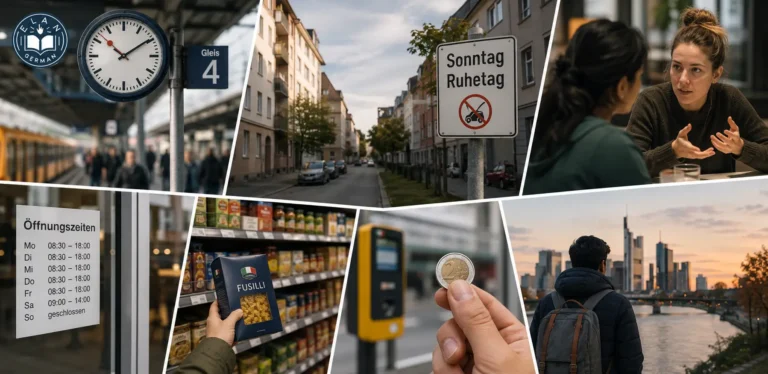
In Germany, punctuality isn’t merely appreciated, but it’s expected. Arriving 5-10 minutes early for appointments demonstrates reliability and respect for others’ time. Being late, even by a few minutes, can be interpreted as disrespectful or careless.
For social gatherings at someone’s home, perfect timing matters:
- Business meetings: Arrive 5-10 minutes early
- Dinner invitation: Arrive exactly on time
- Casual gathering: 5-15 minutes late is acceptable
Know how to tell time in German to avoid any confusion.
Never arrive early to a house party — your host might still be preparing. If delays are unavoidable, call ahead to notify the person waiting. Germans understand that circumstances sometimes intervene, but communication about timing changes is essential.
Home Etiquette: Being a Good Guest
- Flowers (odd numbers, unwrapped or simply wrapped; avoid red roses, which suggest romance)
- Quality chocolate
- Wine (if you know your host drinks alcohol)
- Personalised gift.
Wait for the host to indicate where you should sit at the table. The traditional toast “Prost” or “Zum Wohl” is accompanied by direct eye contact when clinking glasses as avoiding eye contact is considered unlucky or even an old superstition that it brings seven years of bad luck.
These are some traditional German foods that you should get familiar with.
Conversation Culture: Topics and Taboos
- Travel experiences
- Cultural events and arts
- Food and regional specialties
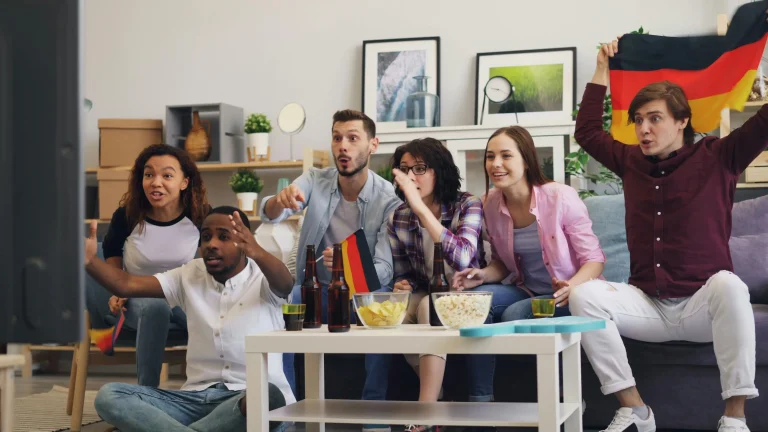
- Sports (especially football/soccer)
- Current events (approached objectively)
- Personal finances
- Salary or cost of possessions
- Age or weight
- World War II and Nazi history
Germans often separate their professional and personal lives. Colleagues might work together for years while knowing little about each other's private lives. This boundary isn't rudeness but a cultural norm that respects privacy.
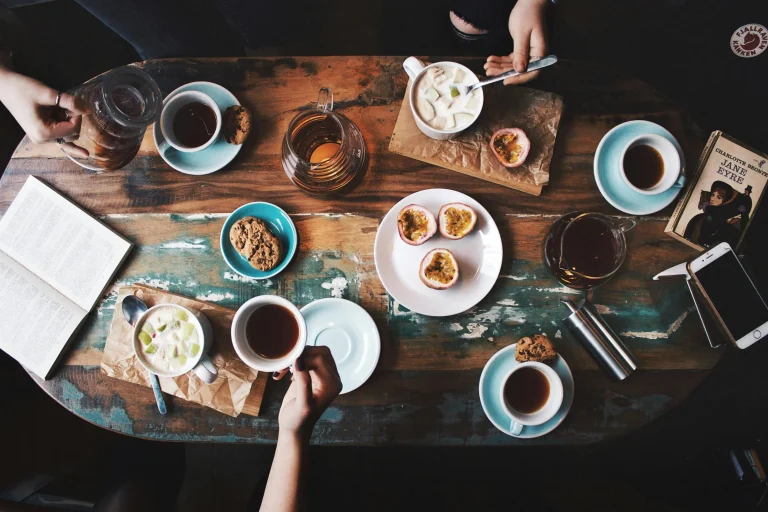
Table Manners: Dining with Confidence
- Keep your hands visible on the table, not in your lap
- Hold your fork in the left hand, knife in the right
- Begin eating only after everyone is served and the host says “Guten Appetit“
- Cut one piece of food at a time, not all at once
- Finish everything on your plate as leaving food suggests dissatisfaction
- Place cutlery parallel to the plate when finished (handles at 4 o’clock position)
Public Transportation Etiquette
- Offering seats to the elderly, pregnant women, or those with mobility issues
- Speaking quietly: loud conversations are frowned upon
- No phone calls or loud music
- No eating strong-smelling foods
On escalators, stand on the right and walk on the left. This efficient system allows those in a hurry to pass while others ride comfortably.
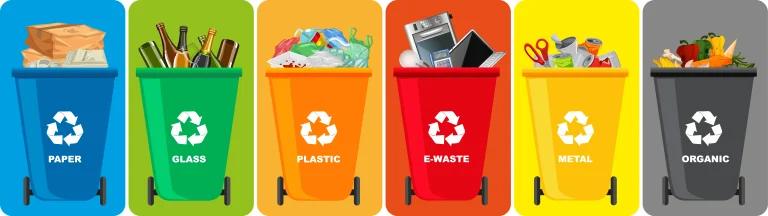
Environmental Consciousness in Daily Life
- Bio (organic waste)
- Papier (paper)
- Verpackung/Gelber Sack (packaging)
- Restmüll (residual waste)
- Pfand (deposit) bottles for return
Work-Life Boundaries
The Art of Direct Communication
- Give and expect honest feedback
- Avoid excessive praise or flattery
- Say exactly what they mean
- Prefer facts over emotional appeals
Regional Variations Worth Noting
- Northern Germany: Generally more reserved, with greater physical distance and formality. The stereotypical northern German is seen as stoic and economical with words.
- Southern Germany: Typically more gregarious, with stronger religious influences on customs. Bavarians, in particular, are known for their hearty greetings and festive traditions.
- Eastern Germany: Sometimes reflects different historical influences due to the former GDR. Some social norms developed separately during the country’s division.
- Urban vs. Rural: City dwellers tend toward greater informality, while rural communities often maintain more traditional social practices.
Final Thoughts: Adaptation and Respect
German Social Etiquettes for Easy Integration
How do Germans greet each other?
Is it rude to be late in Germany?
What gifts should I bring when visiting a German home?
What are the basic German table manners?
Is tipping expected in Germany?
Why are Germans so direct in communication?
How does the German recycling system work?
Are stores open on Sundays in Germany?
Do Germans remove shoes when entering homes?
What topics should I avoid discussing with Germans?
Discover more from Elan German
Subscribe to get the latest posts sent to your email.