

German Festivals Calendar: What to Celebrate When
Germany throws some incredible festivals all year long. Picture this: spring brings Easter markets and May Day celebrations, summer explodes with beer gardens and music festivals, fall delivers Oktoberfest and harvest celebrations, while winter wraps up with Christmas markets that transform entire cities. What makes German festivals special isn’t just the beer and bratwurst. It’s how they blend centuries old traditions with modern celebrations, creating experiences you won’t find anywhere else. Here’s what each month brings to the table.
January: A Fresh Start with Winter Festivities
The year begins with Neujahrstag (New Year’s Day) celebrations on January 1st. While the day itself is typically quiet as people recover from New Year’s Eve festivities, many Germans participate in the tradition of “Bleigießen” (lead pouring), where melted lead is dropped into water, and the resulting shape is interpreted to predict one’s fortune for the coming year.
Heilige Drei Könige (Epiphany) on January 6th marks the official end of the Christmas season. In southern German states like Bavaria and Baden-Württemberg, this is a public holiday where children dress as the Three Wise Men, going door-to-door singing carols and collecting donations for charity.
February: Carnival Season Peaks
February hosts one of Germany’s most exuberant celebrations: Karneval, also known as Fasching or Fastnacht, depending on the region. The festivities begin on the 11th of November but reach their climax during the week before Ash Wednesday, typically in February.
The Rosenmontag (Rose Monday) parades in Cologne, Düsseldorf, and Mainz are spectacular displays of colorful floats, costumes, and music. Fastnacht culminates on Aschermittwoch (Ash Wednesday), marking the beginning of Lent with traditional fish dinners.
March/April: Spring Celebrations and Easter Traditions

Frühlingsanfang (Spring Equinox) on March 20th or 21st is celebrated with various local traditions and the appearance of Easter markets in town squares.
Ostern (Easter) is one of Germany’s most important religious and cultural celebrations. The Easter weekend includes:
- Gründonnerstag (Maundy Thursday): Traditionally marked by eating green foods
- Karfreitag (Good Friday): A solemn public holiday
- Ostersonntag (Easter Sunday): Celebrated with Easter egg hunts and family gatherings
- Ostermontag (Easter Monday): A public holiday with outdoor excursions
The Osterfeuer (Easter Fire) is a pre-Christian tradition where large bonfires are lit to ward off the winter and welcome spring, particularly popular in northern Germany.
April/May: Spring Festivals and Labor Celebrations
Walpurgisnacht on April 30th is an ancient festival where, according to folklore, witches gather on the Brocken mountain in the Harz region. Communities light bonfires and dress as witches to celebrate.
Tag der Arbeit (Labor Day) on May 1st is both a workers’ rights celebration and a welcome to spring. Berlin hosts significant demonstrations, while in Bavaria, villages erect Maibaum (May Poles), decorating them with colorful ribbons and emblems representing local crafts and trades.
Muttertag (Mother’s Day) is celebrated on the second Sunday in May with flowers and family gatherings.
June: Midsummer Festivities
Pfingsten (Pentecost) is celebrated 50 days after Easter with a long weekend that often features outdoor activities and family gatherings.
Fronleichnam (Corpus Christi) is observed in predominantly Catholic regions with elaborate processions through flower-adorned streets.
Johannisnacht (Midsummer Night) around June 21st celebrates the summer solstice with bonfires and traditional folk dancing, particularly vibrant in rural areas.
July and August: Summer Festival Season
Summer months bring countless Volksfeste (folk festivals) across the country:
The Kiel Week in late June/early July is the world’s largest sailing event and northern Europe’s biggest summer festival, attracting millions of visitors.
Christopher Street Day parades celebrate LGBTQ+ pride in major cities throughout the summer, with Berlin’s parade being one of Europe’s largest.
The Rhein in Flammen (Rhine in Flames) illuminates the Rhine River with fireworks on several weekends between May and September.
September: Harvest Season and the World's Largest Folk Festival
Erntedankfest (Harvest Thanksgiving) is celebrated in late September or early October with processions featuring harvest crowns and church services to give thanks for the year’s harvest.
The world-famous Oktoberfest actually begins in September, running for 16-18 days from mid-September to the first weekend in October. This Bavarian tradition in Munich draws over six million visitors annually who enjoy beer, traditional food, music, and carnival attractions.
The Cannstatter Volksfest in Stuttgart is Germany’s second-largest beer festival, offering a slightly less crowded alternative to Oktoberfest.

October: Unity and Autumn Celebrations
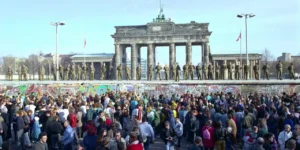
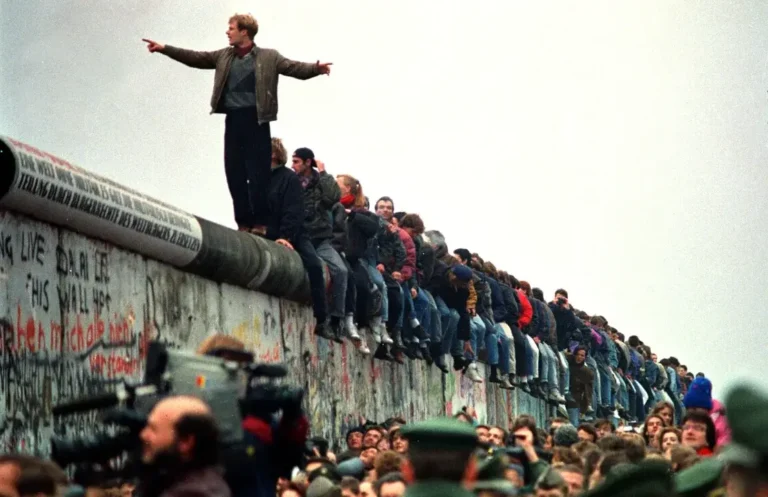
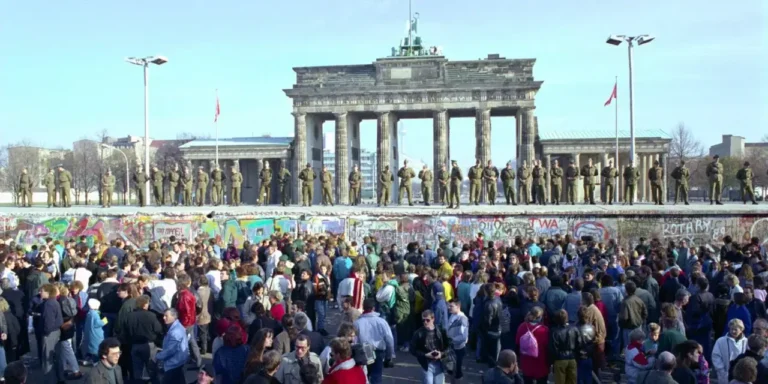
Tag der Deutschen Einheit (German Unity Day) on October 3rd commemorates the reunification of East and West Germany in 1990. As Germany’s national holiday, it features official ceremonies, concerts, and public celebrations.
Reformationstag (Reformation Day) on October 31st is observed primarily in Protestant regions, marking Martin Luther’s posting of his 95 Theses in 1517.
November: Remembrance and Pre-Christmas Festivities
Allerheiligen (All Saints’ Day) on November 1st is a public holiday in predominantly Catholic regions, where families visit and decorate the graves of loved ones.
Martinstag (St. Martin’s Day) on November 11th features children’s lantern processions, songs, and the sharing of traditional Martinsgänse (Martin’s geese) and sweet Martinshörnchen (Martin’s croissants).
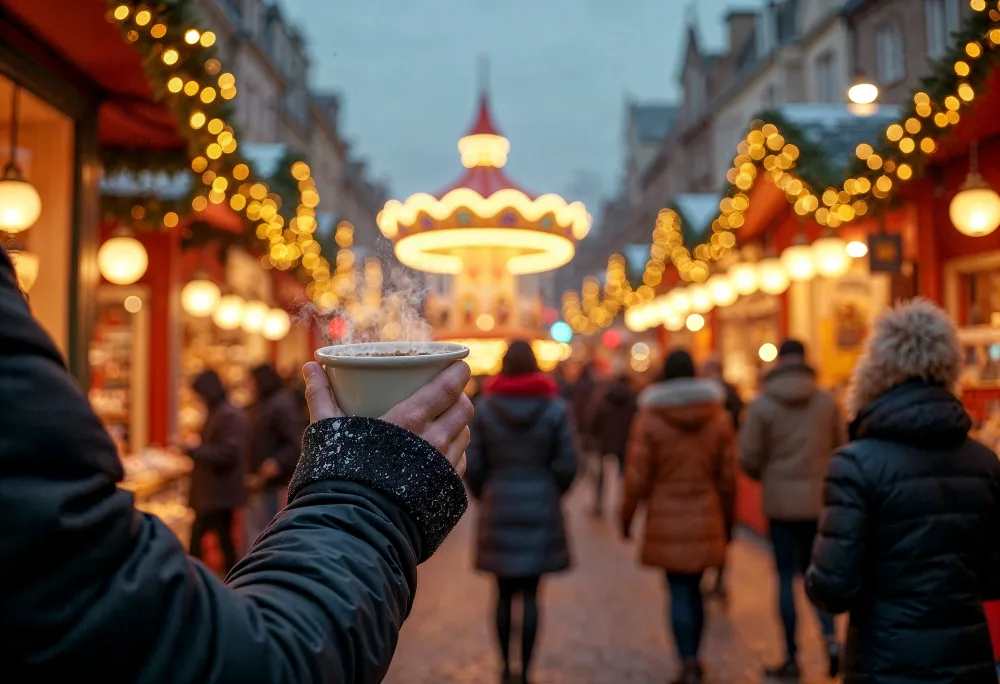
The beginning of the Adventszeit (Advent season) in late November marks the opening of Germany’s enchanting Weihnachtsmärkte (Christmas markets).
December: Christmas Magic Across Germany
December transforms Germany into a winter wonderland with over 2,500 Weihnachtsmärkte nationwide. The most famous include Nuremberg’s Christkindlesmarkt, Dresden’s Striezelmarkt, and the markets at Cologne Cathedral.
Nikolaustag (St. Nicholas Day) on December 6th sees children placing their shoes outside their doors to be filled with sweets and small gifts overnight.
Heiligabend (Christmas Eve) on December 24th is when most German families exchange gifts and enjoy festive meals, while Weihnachten (Christmas Day) on December 25th and Zweiter Weihnachtsfeiertag (Boxing Day) on December 26th are public holidays for family gatherings.
The year concludes with Silvester (New Year’s Eve) celebrations featuring fireworks, parties, and the traditional watching of the British comedy sketch “Dinner for One.”
Planning Your Visit
When planning to experience German festivals, consider booking accommodations well in advance, particularly for major events like Oktoberfest. Also, be aware that many businesses close during public holidays, and transportation may run on limited schedules.
By timing your visit to coincide with these celebratory occasions, you’ll gain deeper insights into German culture, traditions, and the warm hospitality that makes Germany a fascinating destination year-round.
Discover more from Elan German
Subscribe to get the latest posts sent to your email.