German bread culture

German Bread Culture: 3000+ Traditional Varieties and Regional Specialties

German bread culture represents one of the world's most diverse baking traditions, featuring over 3,000 distinct bread varieties that earned UNESCO recognition as intangible cultural heritage in 2014. From the dense pumpernickel of Westphalia to Bavaria's iconic pretzels, each region contributes unique flavors and techniques that make German bread globally celebrated.

What sets German bread apart isn't just the sheer variety. It's the deep-rooted tradition of master craftsmanship, with nearly 10,000 master bakeries across the country producing everything from hearty rye loaves to delicate stollen. Germans consume an impressive 56 kilograms of bread per household annually, making it a cornerstone of daily life rather than just sustenance.

This rich baking heritage spans centuries, with techniques passed down through generations of skilled bakers. Whether you're planning to move to Germany or simply want to understand this fascinating aspect of German social etiquettes, exploring bread culture offers insights into the heart of German lifestyle and community traditions.

Quick Facts About German Bread

  • 3,200+ different bread types
  • 9,600 master bakeries nationwide
  • 56kg annual household consumption
  • UNESCO heritage status since 2014

The UNESCO Heritage Behind German Bread Culture

In 2014, the German Commission for UNESCO officially recognized German bread culture as intangible cultural heritage. This wasn't just symbolic recognition. It acknowledged centuries of baking expertise that transformed simple ingredients into an art form.

The heart of this tradition lies in Germany's network of master bakeries. At the end of 2022, approximately 9,600 master bakeries operated across the country, supporting around 35,000 shops. These aren't just commercial enterprises but guardians of traditional knowledge.

Meet the Bread Sommeliers

Germany has certified bread sommeliers who know "everything about bread." Axel Schmitt from Lower Franconia, known as the "Wacken Baker," even studied how sourdough acidity changes when exposed to heavy metal music. This level of dedication shows how seriously Germans take their bread craft.

The oldest bakery in Germany operates in the Bavarian town of Kemnath, running continuously for 450 years. This longevity demonstrates the stability and importance of baking traditions in German communities.

What makes German bread culture unique isn't just variety but the systematic approach to quality. Master bakers undergo rigorous training, learning traditional techniques alongside modern innovations. This combination preserves authenticity while meeting contemporary tastes.

450 Years - Oldest German Bakery
35,000 Bakery Shops Nationwide
2014 UNESCO Heritage Recognition

Regional German Bread Specialties: A Journey Through the States

Each German region has developed distinct bread traditions shaped by local ingredients, climate, and cultural preferences. This regional diversity contributes to Germany's impressive collection of over 3,000 bread varieties.

Northern Germany
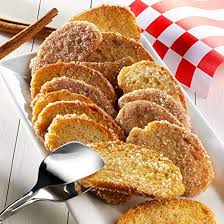
Bremen Coffee Bread

Bremen Coffee Bread

A sweet, aromatic bread traditionally enjoyed with afternoon coffee in the Hanseatic cities.

Quick Recipe →
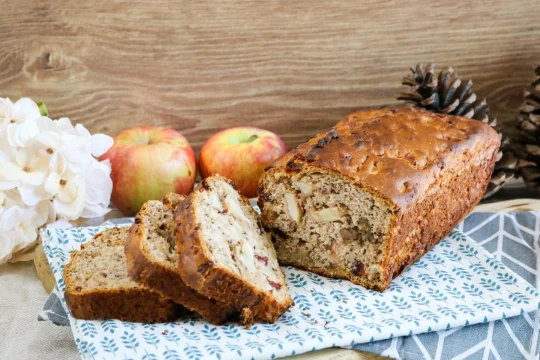
Uckermark Apple Bread

Uckermark Apple Bread

Dense fruit bread from Brandenburg, incorporating local apples for natural sweetness.

Quick Recipe →

Bavaria & Southern Regions

Bavarian Pretzel

Bavarian Pretzel

The iconic twisted bread with coarse salt, perfect companion to beer and traditional German food.

Quick Recipe →
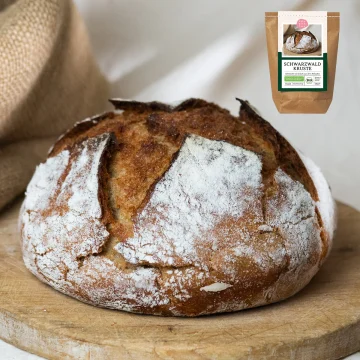
Black Forest Bread

Black Forest Bread

Dark, dense bread from Baden-Württemberg, often containing nuts and dried fruits.

Quick Recipe →

Eastern Germany

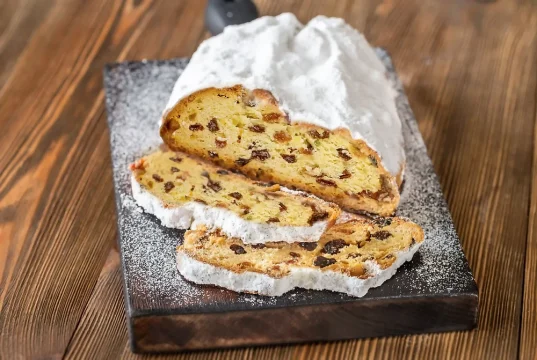
Dresden Stollen

Dresden Stollen Cake

The famous Christmas bread from Saxony, protected by EU law and central to German festivals.

Quick Recipe →
Thuringian Potato Bread

Potato Bread (Thuringia)

Moist, long-lasting bread incorporating potatoes, reflecting the region's agricultural heritage.

Quick Recipe →

Western Germany

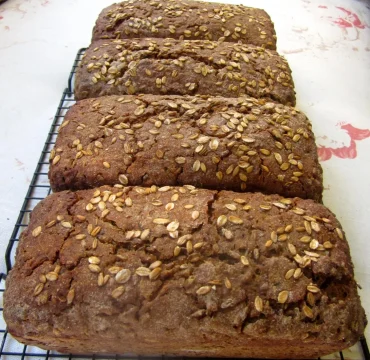
Rheinland Black Bread

Black Bread (Rheinland)

Dense, dark rye bread that stays fresh for days, popular in the industrial Ruhr region.

Quick Recipe →
Harz Caraway Bread

Harz Caraway Bread

Aromatic bread featuring caraway seeds, reflecting the herb-rich landscape of the Harz mountains.

Quick Recipe →

Cultural Tip: When visiting different German regions, asking about local bread specialties at bakeries shows respect for regional culture and often leads to interesting conversations about local traditions.

German Bread Culture: 3000+ Traditional Varieties and Regional Specialties

Germany’s diverse bread culture stems from regional ingredients, local climate conditions, and centuries of isolated baking traditions. Each region developed unique recipes using available grains like rye in the north and wheat in the south. With over 9,600 master bakeries preserving traditional techniques, this regional diversity evolved into 3,200+ distinct bread varieties that UNESCO recognised as cultural heritage.

Pumpernickel and German rye bread are the most internationally recognised, but stollen (especially Dresden stollen cake) gains global attention during Christmas. Bavarian pretzels are equally famous, though technically classified as a baked good rather than bread. These represent German bread culture worldwide and are often the first German breads people try abroad.

German households consume approximately 56 kilograms of bread and bakery products annually, which translates to about 150 grams per person daily. This high consumption reflects bread’s central role in German meals, particularly breakfast and the traditional “Abendbrot” (evening bread) supper, making it far more than just a side dish.

German black bread, particularly varieties such as Rheinland black bread and pumpernickel, utilises specific rye flour percentages and extended baking times to create dense, dark loaves. These breads often bake for 12-24 hours at low temperatures, developing complex flavours and extended shelf life. The darkness comes from the grain itself and the baking process, not artificial colouring.

While you’ll find the best examples in their home regions, many popular varieties like franzbrötchen, Berlin rye bread, and potato bread from Thuringia are available throughout Germany. However, authentic versions with protected designations (like true Dresden stollen) must follow specific regional recipes and production methods.

Yes, Germany has certified bread sommeliers who specialise in bread knowledge, similar to wine experts. They understand grain varieties, fermentation processes, regional differences, and proper bread pairing. Famous bread sommelier Axel Schmitt even researches how music affects sourdough development, showing the scientific depth of German bread expertise.

Start with classic varieties like mixed wheat-rye bread or wholegrain bread, which offer familiar textures. Then progress to regional specialities like Bavarian pretzels, Bremen coffee bread, or Harz caraway bread. Avoid jumping straight to dense varieties like pumpernickel or speciality breads like Uckermark apple bread until you’ve developed a taste for German grain density and flavours.


Discover more from Elan German

Subscribe to get the latest posts sent to your email.
Free Download

📘 A1 & Beyond Study Book

Real-Life German for Beginners

Complete grammar, vocabulary & exercises, built for actual use, not just exams. Free PDF, straight to your inbox.

Get the Free Book →

No cost. No spam. Instant delivery.

Elan German

Master German with Confidence

Liked what we do? Support us via PayPal or UPI. Every bit helps! 🙏

Elan German
Privacy Overview

This website uses cookies so that we can provide you with the best user experience possible. Cookie information is stored in your browser and performs functions such as recognising you when you return to our website and helping our team to understand which sections of the website you find most interesting and useful. Check out our Privacy Policy page for more information.