

10 Essential German Novels for Language Learners: From Beginner to Advanced
Learning German through literature offers an immersive experience that textbooks simply cannot match. Reading novels not only expands vocabulary and reinforces grammar but also provides valuable cultural insights. Here’s a curated selection of German novels, arranged by difficulty level, to help you on your language-learning journey.
Beginner-Friendly Selections
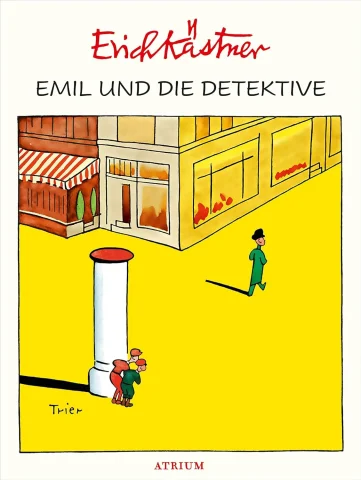
- “Emil und die Detektive” by Erich Kästner
First published in 1929, this beloved children’s novel follows young Emil’s adventure in Berlin as he tracks down a thief with the help of local children. The straightforward narrative style and contemporary dialogue make it perfect for beginners. The book uses simple sentence structures and repetitive vocabulary, allowing readers to build confidence gradually. Many editions include helpful footnotes explaining cultural references and challenging phrases.
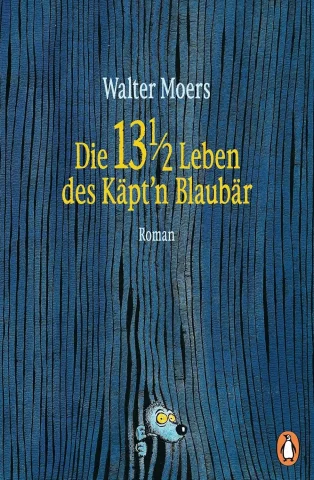
- “Die 13½ Leben des Käpt’n Blaubär” by Walter Moers
This whimsical tale about Captain Bluebear’s adventures presents fantasy elements with clear, engaging language. While some vocabulary may be new to beginners, the context and accompanying illustrations help readers understand unfamiliar terms. The episodic structure allows learners to tackle the book in manageable chunks without losing the plot’s thread.
Intermediate Level Challenges
- “Momo” by Michael Ende
This enchanting story about a girl who fights time-stealing villains combines philosophical themes with accessible prose. Ende’s writing style is clear yet sophisticated, introducing learners to more complex sentence structures while maintaining an engaging narrative. The magical realism elements provide cultural exposure to this important German literary tradition.
- “Der Vorleser” (The Reader) by Bernhard Schlink
Written in the present tense with relatively straightforward grammar, this modern classic tackles complex themes through accessible language. The narrative’s measured pace and clear structure make it manageable for intermediate learners, while the rich vocabulary and emotional depth provide excellent learning opportunities.
- “Die Vermessung der Welt” by Daniel Kehlmann
This historical novel about Alexander von Humboldt and Carl Friedrich Gauss uses humour and wit to tell its story. The mix of historical facts and fictional elements helps learners acquire subject-specific vocabulary while enjoying a compelling narrative. The book’s short chapters make it easier to digest for language learners.
Advanced Reading Selections
- “Der Steppenwolf” by Hermann Hesse
This philosophical novel challenges readers with sophisticated vocabulary and complex themes. While linguistically demanding, the book’s exploration of identity and society introduces learners to important cultural concepts in German literature. The surreal elements and psychological depth provide excellent material for advanced language discussion.
- “Die Blechtrommel” by Günter Grass
This masterpiece of post-war German literature offers advanced learners rich vocabulary and complex narrative structures. While challenging, the novel’s historical context provides valuable insights into German culture and history. The unique narrative voice helps readers understand different registers of German language use.
Contemporary Choices
- “Tschick” by Wolfgang Herrndorf
This modern coming-of-age story uses contemporary German, making it valuable for learners wanting to understand current colloquial expressions. The straightforward plot and relatable characters help readers focus on language acquisition while enjoying a compelling story.
- “Der Russe ist einer, der Birken liebt” by Olga Grjasnowa
This contemporary novel about identity and belonging uses modern German with some colloquialisms. The cultural diversity represented in the story helps learners understand modern German society while building vocabulary related to current social issues.
- “Das Parfum” by Patrick Süskind
This historical novel combines beautiful descriptive language with a gripping plot. While challenging, the rich sensory descriptions help expand vocabulary related to perception and emotion. The historical setting introduces learners to different registers of the German language.
Tips for Reading German Novels
When approaching these novels, consider starting with a parallel text edition if available. Take notes on new vocabulary but avoid looking up every unfamiliar word. Focus on understanding the general context first, then delve into specific language elements. Many of these books are available as audiobooks, which can help with pronunciation and listening comprehension when read alongside the text.
Remember that reading in a foreign language is a skill that develops with practice. Choose books that match your current level while presenting enough challenges to facilitate learning. Consider joining online German reading groups or book clubs to discuss these works with other learners and native speakers.
These ten novels represent different periods, styles, and difficulty levels in German literature. Each offers unique opportunities for language learning while providing entertaining and thought-provoking reading experiences. Whether you’re just starting or looking to refine your advanced German skills, there’s a book on this list to help you progress in your language-learning journey.
Discover more from Elan German
Subscribe to get the latest posts sent to your email.